What is Rice Starch?
Rice starch is a polysaccharide carbohydrate derived from rice (Oryza sativa). It consists primarily of amylose and amylopectin, the two glucose polymers that make up starch. Rice starch is obtained through wet milling processes that separate the starch granules from other rice components. The resulting white powder is odorless, flavorless, and insoluble in cold water, making it ideal for food applications.
Common Uses
Rice starch functions as a stabilizer and thickener in numerous food applications. It is commonly found in:
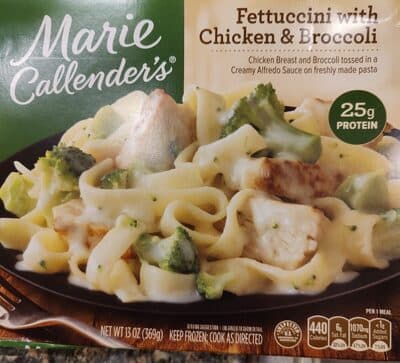
- Gravies, sauces, and soups to improve viscosity
- Baked goods to enhance texture and moisture retention
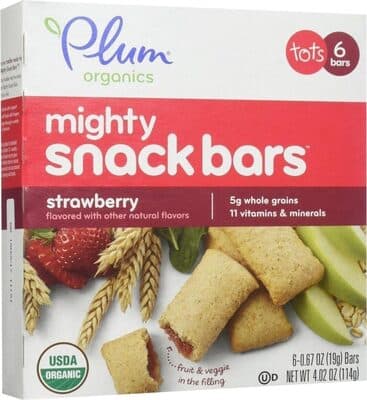
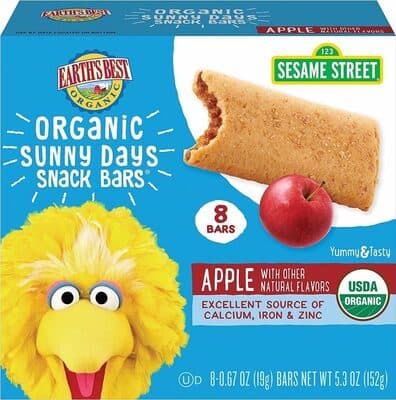
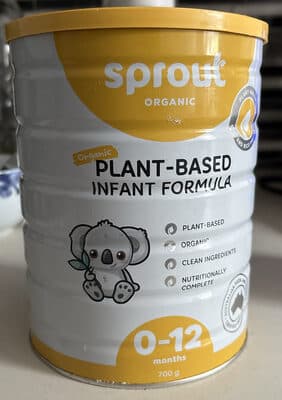
- Infant formula and baby foods as a thickening agent
- Processed meats and seafood products
- Dairy products including puddings and yogurts
- Gluten-free products as a flour substitute
- Asian noodles and rice paper products
The additive is valued in food manufacturing because it provides neutral taste, white appearance, and reliable thickening properties at relatively low concentrations.
Safety Assessment
Rice starch is derived from a common, whole food source that has been consumed for millennia. The additive itself contains no known toxins or allergens beyond those present in whole rice. As a pure carbohydrate polymer, it is not metabolized differently from starch found in whole grains.
The FDA has recorded zero adverse events associated with rice starch and zero product recalls attributed to this additive. No scientific studies have identified adverse health effects from rice starch consumption at typical dietary levels. The additive provides no nutritional value beyond carbohydrates and does not significantly impact blood glucose in most formulations due to the small quantities used.
Individuals with celiac disease or gluten sensitivity may safely consume rice starch, as rice is naturally gluten-free. However, some people with severe rice allergies (rare) should avoid products containing this ingredient.
Regulatory Status
Rice starch does not carry FDA GRAS (Generally Recognized as Safe) designation, though this reflects regulatory classification rather than safety concerns. Many common food ingredients lack formal GRAS status while remaining approved for use. Rice starch is permitted in the United States as a food additive under 21 CFR 182.90 and similar regulations.
The European Food Safety Authority (EFSA) has approved modified rice starch (E1450) and considers natural rice starch acceptable in food applications. Many countries recognize rice starch as a traditional ingredient requiring minimal regulatory oversight.
Key Studies
Limited published research specifically examines rice starch safety because its long history of use in food and its simple composition reduce regulatory scrutiny. Available research focuses on functional properties rather than toxicology:
- Studies on rice starch's thickening efficiency and gel formation characteristics in food systems
- Research on resistant starch formation when rice starch is cooled and reheated
- Investigation of rice starch's role in gluten-free formulations
- Comparative analyses of various starch sources for food applications
No peer-reviewed studies report adverse health effects from food-grade rice starch consumption. The absence of reported safety concerns, combined with zero FDA adverse events, indicates a favorable safety profile for this additive.