What is Pyridoxine?
Pyridoxine (CAS Number 65-23-6) is a form of vitamin B6, an essential water-soluble vitamin that the human body cannot synthesize and must obtain through diet. It exists in several active forms in food and supplements, including pyridoxine, pyridoxal, and pyridoxamine. As a food additive, pyridoxine is typically used in its hydrochloride or pyrophosphate forms to enhance the nutritional profile of processed foods and fortified products.
Common Uses
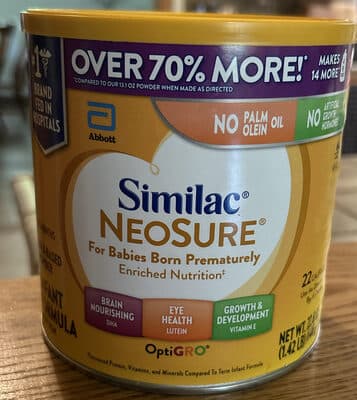
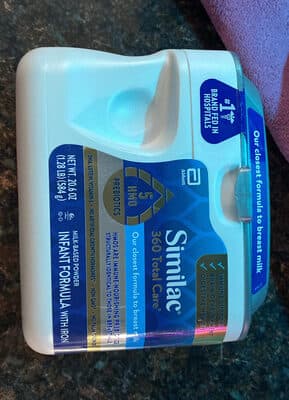
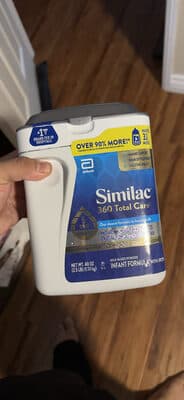
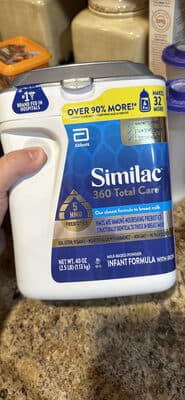
Pyridoxine is primarily used as a nutritional supplement in food fortification programs. It is commonly added to breakfast cereals, flour products, nutritional supplements, energy bars, and infant formulas. The additive helps manufacturers meet nutritional labeling requirements and support public health objectives by increasing dietary B6 intake. Fortification is particularly important in populations at risk of deficiency, including pregnant women, older adults, and individuals with certain medical conditions.
The vitamin functions as a coenzyme in over 100 enzyme reactions in the body, supporting protein metabolism, neurotransmitter synthesis, hemoglobin formation, and immune system function. These essential roles make dietary pyridoxine important for overall health and development.
Safety Assessment
Pyridoxine has been extensively studied and is recognized as safe for human consumption at dietary levels. The FDA has granted pyridoxine Generally Recognized as Safe (GRAS) status, indicating it is safe for use as a food additive. As of the latest available data, there are zero adverse events and zero recalls associated with pyridoxine reported to the FDA.
The European Food Safety Authority (EFSA) has also reviewed pyridoxine and established an Adequate Intake (AI) for the general population. The tolerable upper intake level for adults is 100 mg per day according to various health authorities. Fortified foods typically contribute modest amounts of pyridoxine relative to these safety thresholds.
Water-soluble vitamins like pyridoxine are generally considered low-risk additives because excess amounts are typically excreted through urine rather than accumulating in body tissues. However, chronic supplementation at extremely high doses (above 1,000 mg daily) has been associated with peripheral neuropathy in rare cases, though such levels are not reached through typical food fortification.
Regulatory Status
Pyridoxine is approved and regulated globally as a food additive and nutritional supplement. In the United States, the FDA regulates it under 21 CFR 182.3671. The additive is approved in the European Union, Canada, Australia, and most other countries with established food safety frameworks. No countries have banned or restricted pyridoxine use in food fortification.
Fortification standards vary by region and product category. Some countries have established maximum levels for pyridoxine in certain foods to prevent excessive intake from multiple fortified sources, though these limits remain well above levels of concern based on safety data.
Key Studies
Numerous peer-reviewed studies have confirmed the safety and efficacy of pyridoxine fortification programs. Research published in the American Journal of Clinical Nutrition demonstrates that food fortification effectively increases dietary B6 intake and reduces deficiency prevalence. Long-term safety studies in fortified food populations show no adverse effects at fortification levels.
Laboratory and clinical research has consistently documented pyridoxine's essential biochemical roles and confirmed its safety profile when used as a food additive. The substantial body of evidence supporting its GRAS status spans decades of scientific investigation.