What is Propylene Glycol Mono- And Diesters Of Fats And Fatty Acids?
Propylene Glycol Mono- And Diesters Of Fats And Fatty Acids (PGME) is a synthetically produced emulsifier created by chemically combining propylene glycol with various fatty acids. This process creates compounds that possess both hydrophilic (water-loving) and lipophilic (fat-loving) properties, making them effective at bridging the gap between oil and water-based ingredients that would otherwise separate.
The additive exists as a mixture of mono- and diesters, meaning individual molecules contain either one or two fatty acid chains attached to the propylene glycol backbone. This composition enhances its emulsifying efficiency across diverse food applications.
Common Uses
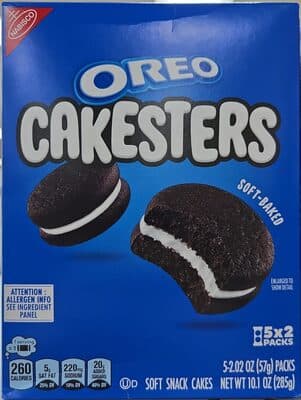
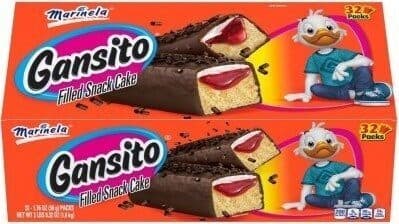
Propylene Glycol Mono- And Diesters Of Fats And Fatty Acids is primarily used in baked goods, including breads, cakes, and pastries, where it improves dough conditioning and crumb structure. It appears in dairy products such as ice cream and yogurt to maintain smooth texture and prevent ingredient separation. The additive is also incorporated into beverages, margarines, shortenings, and various convenience foods.
In these applications, it functions as both an emulsifier and stabilizer, reducing the need for excessive mixing and improving product shelf stability. Manufacturers value it because it allows them to create smoother, more consistent textures while extending product shelf life without significantly altering taste or appearance.
Safety Assessment
Propylene Glycol Mono- And Diesters Of Fats And Fatty Acids has been determined to be Generally Recognized as Safe (GRAS) by the FDA. The GRAS designation indicates that qualified experts have concluded the substance is safe under intended conditions of use based on scientific procedures and/or common use history in food.
According to FDA records, there are zero reported adverse events associated with this additive and zero recalls attributed to its presence in food products. These data suggest no significant safety concerns have been identified in the food supply under current usage levels.
The additive is metabolized similarly to other dietary fats and fatty acids in the human body, breaking down into propylene glycol and fatty acids during digestion. Both of these components are recognized as normal dietary constituents.
Regulatory Status
In the United States, Propylene Glycol Mono- And Diesters Of Fats And Fatty Acids is approved for use as a food additive under FDA regulations. It is permitted in numerous food categories at levels determined to be safe for consumer exposure.
The European Food Safety Authority (EFSA) recognizes propylene glycol esters of fatty acids (E471 in the EU system) as approved food additives in member states. Various international food regulatory bodies, including Health Canada and Australian regulatory authorities, also permit its use under established safety parameters.
Regulatory agencies periodically review safety data for approved additives. No changes to the approved status of this compound have been implemented based on safety concerns.
Key Studies
Scientific evaluation of propylene glycol esters has consistently supported their safety profile. Studies examining acute and chronic toxicity have shown no significant adverse effects at levels relevant to food use. Research has confirmed that these compounds are readily metabolized and do not accumulate in body tissues.
The GRAS determination for this additive was based on comprehensive review of available toxicological data, including animal studies and human consumption history. Ongoing monitoring through FDA adverse event reporting systems continues to track any potential issues that might emerge from food supply exposure.
While comprehensive published literature specifically focused solely on this particular CAS number may be limited in public databases, the broader class of propylene glycol fatty acid esters has undergone substantial scientific evaluation supporting their safe use in food manufacturing.