What is Propylene Glycol Alginate?
Propylene glycol alginate (PGA) is a food additive derived from alginic acid, a natural polysaccharide extracted from brown seaweed (kelp). The compound is created by chemically modifying alginic acid through propylene glycol esterification, resulting in a compound with improved solubility and functional properties compared to plain alginic acid. The CAS number 9005-37-2 identifies this specific chemical compound in regulatory and scientific databases.
Common Uses
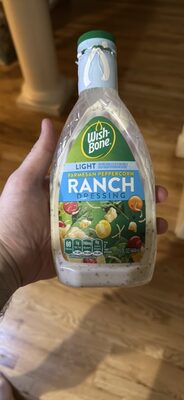
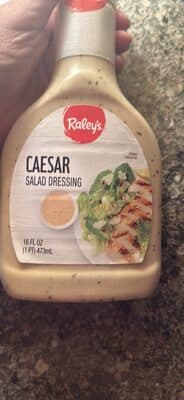
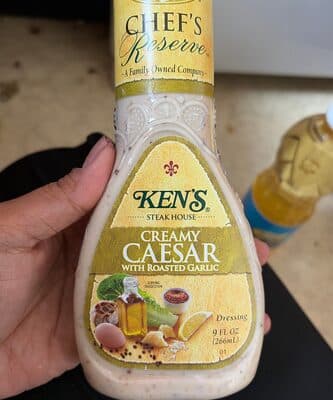
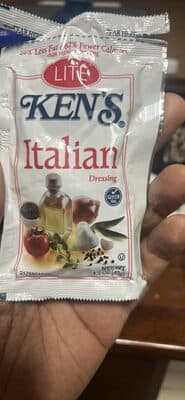
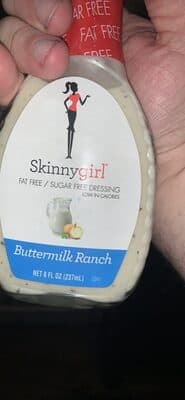
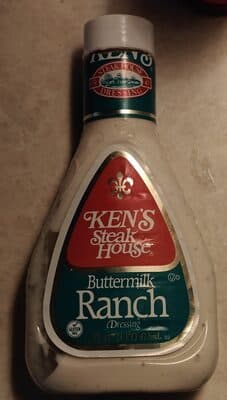
Propylene glycol alginate serves multiple functions in food manufacturing, primarily as an emulsifier that helps blend water and oil-based ingredients that would normally separate. It is commonly used in salad dressings, mayonnaise, and other oil-in-water emulsions to maintain a stable, uniform texture. As a stabilizer and thickener, PGA prevents ingredient separation and maintains product consistency throughout the shelf life of foods.
Additional applications include use as a processing aid in the production of certain foods, a flavor enhancer that can improve taste perception, and a surface-active agent that modifies surface properties of food products. The additive also functions as a formulation aid, helping manufacturers achieve desired product characteristics, and as a solvent or vehicle for other food ingredients.
Safety Assessment
Propylene glycol alginate has been designated as Generally Recognized As Safe (GRAS) by the U.S. Food and Drug Administration (FDA). This classification indicates that the FDA has determined, based on scientific evidence and expert consensus, that the additive is safe for use in food at levels typical of food manufacturing.
The safety profile of PGA is supported by several factors. The additive is derived from a natural source (seaweed) and the parent compound, alginic acid, has a long history of safe use in food. Propylene glycol, the chemical used to modify alginic acid, is itself widely used in food and pharmaceutical applications and has an established safety record. The FDA's database shows zero adverse events associated with propylene glycol alginate and zero product recalls directly attributed to this additive, indicating no significant safety concerns have emerged from its use in the food supply.
The human body does not readily absorb propylene glycol alginate due to its high molecular weight and chemical structure. Instead, it passes largely unchanged through the digestive system, minimizing systemic exposure.
Regulatory Status
Propylene glycol alginate is approved for use in food in the United States under FDA regulations and is included on the GRAS list. The European Food Safety Authority (EFSA) also permits its use in food products within the European Union, where it is designated as food additive E405.
The compound is approved for use in numerous food categories including salad dressings and condiments, processed vegetables, beverages, and other food products requiring emulsification or stabilization. Permitted usage levels vary by food category and jurisdiction, and manufacturers must comply with applicable regulations in their operating regions.
Key Studies
The safety of propylene glycol alginate and related alginate compounds has been evaluated in numerous toxicological studies. Research on alginates and their derivatives has consistently shown low toxicity profiles with no significant adverse health effects at typical dietary exposure levels. The molecular structure of PGA makes it resistant to hydrolysis and absorption in the human gastrointestinal tract, supporting its safety classification.
Toxicological studies examining potential reproductive, developmental, and genetic effects have not identified concerns at food-use levels. The long history of use of alginic acid and its derivatives in food applications, combined with modern safety assessments, supports the regulatory approvals granted by food safety authorities worldwide.