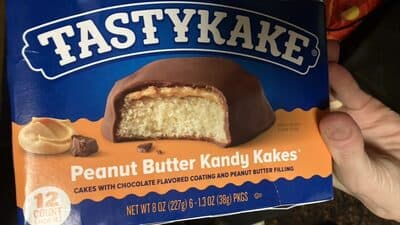
What is Propylene Glycol?
Propylene glycol is a colorless, odorless liquid with the chemical formula C₃H₈O₂. It is produced through the hydration of propylene oxide and is classified as a humectant, emulsifier, and solvent in food applications. The compound is miscible with water and many organic solvents, making it valuable in food formulation. Propylene glycol differs from ethylene glycol, another glycol compound; propylene glycol is significantly less toxic and is approved for food use in many countries, while ethylene glycol is toxic and prohibited in food.
Common Uses
Propylene glycol is utilized across multiple food categories due to its versatile functional properties:
**Beverages**: Found in flavored drinks, energy drinks, and liquid food colorings as a solvent and flavor carrier.
**Baked Goods**: Used to maintain moisture content and improve texture, extending shelf life by reducing water loss.
**Confectionery**: Employed in candies, chocolate products, and frosting to prevent crystallization and maintain consistency.
**Dairy Products**: Functions as an emulsifier in ice cream, yogurt, and processed cheese to stabilize fat and water phases.
**Salad Dressings and Sauces**: Serves as an emulsifier to prevent separation of oil and water components.
**Processed Meats**: Used as a humectant and preservative to maintain moisture and inhibit microbial growth.
The FDA permits propylene glycol in foods under 21 CFR 182.1666, with no specified limitations on its use level in most applications, though manufacturers typically use minimal effective amounts.
Safety Assessment
Propylene glycol has an extensive safety record in food applications. The FDA has designated it as Generally Recognized As Safe (GRAS), reflecting decades of safe use in food products. The agency has recorded zero adverse events and zero recalls associated with propylene glycol as a food additive, indicating a strong safety profile in typical food use.
The compound is metabolized in the body similarly to alcohol and carbohydrates, being converted primarily to lactic acid and pyruvic acid. Studies have demonstrated that propylene glycol is rapidly absorbed and excreted, with minimal accumulation in tissues at normal dietary exposure levels.
The European Food Safety Authority (EFSA) has also affirmed the safety of propylene glycol in food applications. It is permitted in EU food products under specific functional classes and usage levels, reflecting the regulatory consensus on its safety.
It is important to distinguish between food-grade propylene glycol and industrial-grade formulations. Food-grade propylene glycol meets strict purity standards and is appropriate for human consumption, while industrial grades may contain impurities and are not suitable for food use.
Regulatory Status
Propylene glycol is approved as a food additive in multiple jurisdictions:
- **United States**: FDA GRAS status under 21 CFR 182.1666
- **European Union**: Approved as food additive E1520
- **Canada**: Permitted under the Food and Drugs Act
- **Australia and New Zealand**: Approved under FSANZ regulations
- **Japan**: Listed as an approved food additive
The compound is not banned or restricted in any major food regulatory jurisdiction. Its use is permitted in numerous food categories with varying specific applications depending on regional regulations.
Key Studies
Scientific evaluation of propylene glycol safety includes:
- Toxicological studies demonstrate low acute and chronic toxicity in animal models at typical dietary exposure levels.
- Metabolism studies confirm rapid breakdown and elimination without bioaccumulation.
- Stability studies show propylene glycol effectively maintains product quality and extends shelf life through moisture retention and antimicrobial effects.
- Long-term dietary studies have not identified adverse health effects at approved use levels.
The safety database supporting propylene glycol approval is substantial, with regulatory decisions based on comprehensive toxicological and metabolic data accumulated over several decades of food use.