What is Potassium Pectinate?
Potassium pectinate (CAS Number: 65028-59-3) is the potassium salt form of pectin, a complex carbohydrate polymer naturally present in the cell walls of fruits and plants. Unlike regular pectin, which is typically in acid or calcium-bound forms, potassium pectinate is created through a chemical modification process where pectin is reacted with potassium hydroxide or potassium salts. This transformation alters its functional properties, making it more soluble and effective as an emulsifying and stabilizing agent in food formulations.
Common Uses
Potassium pectinate is employed in the food industry primarily as a functional ingredient in products requiring stabilization and texture modification. It is commonly used in:
- Fruit-based beverages and juice products
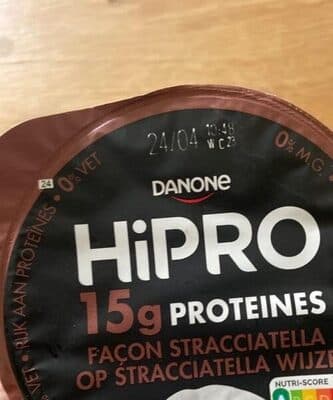
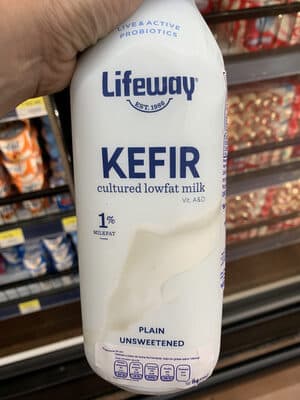
- Dairy products and yogurts
- Salad dressings and condiments
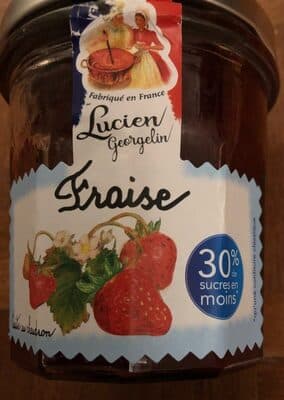
- Jams, jellies, and preserves
- Confectionery products
- Meat and poultry products as a binder
- Processed foods requiring improved texture consistency
The additive's dual functionality as both an emulsifier and thickener makes it particularly valuable in formulations where maintaining a stable, uniform texture is critical. It helps prevent the separation of oil and water-based components and improves overall product shelf stability.
Safety Assessment
Potassium pectinate is derived from pectin, a substance recognized as safe by major regulatory bodies due to its natural origin and extensive history of use in food. The additive's safety profile is generally favorable:
- No adverse events have been reported to the FDA for this specific ingredient
- No FDA recalls are associated with potassium pectinate
- The ingredient is well-tolerated in human consumption at typical food use levels
- As a potassium salt of a naturally occurring compound, it presents a low toxicity profile
Because potassium pectinate is derived from pectin—a substance that has been safely used in food for decades—the toxicological concerns are minimal. However, individuals with specific dietary restrictions related to potassium intake (such as those with kidney disease or taking certain medications) may need to be aware of its potassium content when consumed in large quantities, though typical food use levels present negligible concerns.
Regulatory Status
Potassium pectinate does not currently hold FDA GRAS (Generally Recognized as Safe) status, which may reflect either limited regulatory submission or the relatively specialized nature of this specific salt form. However, this designation does not indicate the ingredient is unsafe; rather, it suggests more limited formal evaluation through the GRAS notification process compared to pectin itself, which is approved.
The ingredient is permitted in food products in various jurisdictions where pectin derivatives are allowed. Its regulatory status reflects the broader acceptance of pectin-derived ingredients in international food standards. Manufacturers using potassium pectinate must comply with local food additive regulations and labeling requirements in their respective markets.
Key Studies
While specific published studies focusing exclusively on potassium pectinate are limited, the ingredient's safety is supported by the extensive scientific literature on pectin and its derivatives. Research on pectin demonstrates:
- Low systemic absorption when ingested orally
- No mutagenic or carcinogenic potential at food use levels
- Beneficial effects on digestive health and cholesterol management
- Good tolerability in human consumption studies
The potassium salt form does not significantly alter pectin's safety profile, as both pectin and potassium salts are well-established food ingredients with long histories of safe use.