What is Potassium Citrate?
Potassium citrate is the potassium salt of citric acid, a naturally occurring organic compound found in citrus fruits. In food manufacturing, it is produced through the neutralization of citric acid with potassium compounds. The additive appears as a white crystalline powder and is highly soluble in water, making it effective for various food applications.
Common Uses
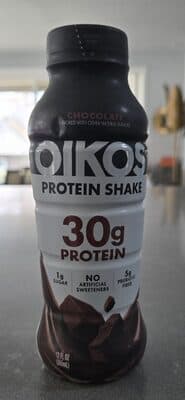
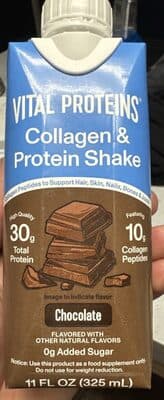
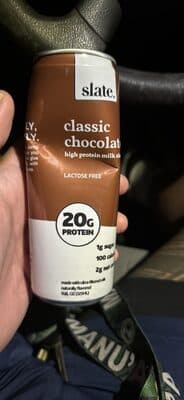
Potassium citrate serves multiple functions in food production. As an emulsifier and emulsifier salt, it helps maintain uniform texture and prevent separation in processed foods such as cheese, dairy products, and processed meats. It acts as a pH control agent, regulating acidity in beverages, jams, and canned foods to maintain both safety and flavor. The additive functions as a sequestrant, binding metal ions that could otherwise cause discoloration or spoilage. Additionally, potassium citrate serves as a flavor enhancer and nutrient supplement, contributing to the mineral content of fortified foods and beverages. It is commonly found in sports drinks, nutritional supplements, powdered beverages, and various processed foods.
Safety Assessment
Potassium citrate has an extensive history of safe use in food applications. The FDA has designated it as Generally Recognized as Safe (GRAS), indicating that it is widely recognized among qualified experts as safe for its intended uses. The agency's database contains zero reported adverse events associated with potassium citrate as a food additive, and there are no documented FDA recalls linked to this ingredient.
The European Food Safety Authority (EFSA) has similarly assessed potassium citrate favorably. As a salt of citric acid—a substance naturally present in foods—potassium citrate is metabolized readily by the human body. The potassium component is an essential nutrient involved in numerous physiological functions, while citrate is metabolized through normal metabolic pathways.
Oral toxicity studies have established that potassium citrate exhibits low acute toxicity. The compound does not raise concerns regarding genotoxicity, carcinogenicity, or reproductive toxicity at levels used in food. Individual sensitivities exist, as with any substance; however, such reactions are uncommon and typically mild.
Regulatory Status
Potassium citrate is approved for use as a food additive in numerous countries and regions:
- **United States**: FDA GRAS status permits use as an emulsifier salt, flavor enhancer, flavoring agent, nutrient supplement, pH control agent, and sequestrant in multiple food categories without specific quantity limitations (though good manufacturing practices apply).
- **European Union**: Approved as food additive E332, permitted in various food categories with specified maximum levels according to Regulation (EC) 1333/2008.
- **Other jurisdictions**: Approved in Canada, Australia, Japan, and most other countries with established food safety regulatory frameworks.
The widespread regulatory approval reflects the ingredient's safety profile and its long history of use.
Key Studies
The safety of potassium citrate has been evaluated through multiple scientific approaches. Toxicological studies examining oral administration at various dose levels have consistently demonstrated safety margins well above typical dietary exposure levels. Published research in peer-reviewed journals supports the GRAS determination and regulatory approvals worldwide.
As a naturally derived substance with metabolic pathways identical to citrate from dietary sources, potassium citrate does not pose novel toxicological concerns. The ingredient's dual function as both a food additive and a pharmaceutical compound (used medically for certain conditions) further demonstrates its safety profile when used appropriately.