What is Potassium Benzoate?
Potassium benzoate is the potassium salt form of benzoic acid, a naturally occurring organic compound found in small quantities in various plants and fruits. As a food additive, it is synthetically produced and appears as a white crystalline powder. The compound functions by disrupting microbial cell membranes and inhibiting microbial enzyme systems, making it effective against bacteria, yeasts, and molds that cause spoilage and foodborne illness.
Common Uses
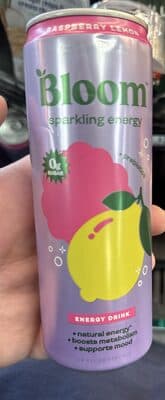
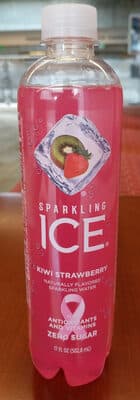
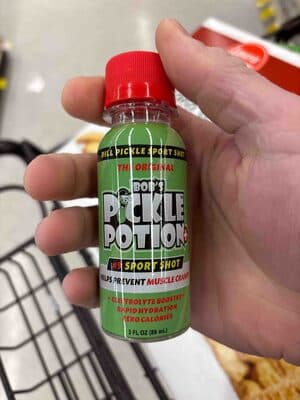
Potassium benzoate is widely used in the food and beverage industry as a preservative. Common applications include soft drinks, fruit juices, jams, pickled vegetables, salad dressings, sauces, and various condiments. It is typically used at concentrations of 0.1% to 0.3% by weight. The additive is particularly valued in acidic foods and beverages where it is most effective, as its antimicrobial activity increases in lower pH environments. This makes it ideal for citrus juices, carbonated beverages, and vinegar-based products.
Safety Assessment
Potassium benzoate has been extensively studied for safety. The FDA granted it Generally Recognized as Safe (GRAS) status, indicating that it is safe for use in foods under current conditions. According to FDA records, there have been zero adverse events reported and zero recalls associated with potassium benzoate, reflecting its safe history of use in food applications.
Toxicological studies demonstrate that potassium benzoate has low acute toxicity. The primary concern in benzoate metabolism is the potential formation of benzene under specific conditions when benzoates are combined with certain conditions (vitamin C and heat), though this occurs at trace levels that have not been shown to pose health risks at typical dietary exposure levels. The Joint FAO/WHO Expert Committee on Food Additives (JECFA) established an Acceptable Daily Intake (ADI) of 0-5 mg/kg of body weight for benzoic acid and its salts.
The European Food Safety Authority (EFSA) has also conducted safety reviews and approved benzoates as food additives, with the same ADI established by JECFA. Population exposure studies indicate that typical dietary intake of benzoates remains well below established safety limits.
Regulatory Status
Potassium benzoate is approved for use in numerous countries. In the United States, the FDA lists it as a permitted preservative under 21 CFR 184.1817. In the European Union, it is approved as food additive E212. Canada, Australia, and most other countries have also approved its use as a food preservative. International Codex Alimentarius standards include potassium benzoate among approved preservatives for various food categories. Regulations typically specify maximum usage levels to ensure safety margins while maintaining preservative efficacy.
Key Studies
Numerous peer-reviewed studies have evaluated potassium benzoate safety. A comprehensive review published in Food and Chemical Toxicology confirmed the safety of benzoates at approved levels of use. Bioavailability studies show that potassium benzoate is rapidly absorbed and metabolized in the body, with benzoic acid being conjugated with glycine to form hippuric acid and excreted in urine.
Long-term feeding studies in animal models have not identified adverse effects at relevant dietary exposure levels. Human consumption studies confirm that benzoates from food are metabolized and eliminated efficiently. No evidence of carcinogenicity, mutagenicity, or reproductive/developmental toxicity has been established at approved usage levels. The safety of potassium benzoate remains consistent with regulatory agency assessments across multiple countries.