What is Polydextrose?
Polydextrose is a synthetic carbohydrate polymer created through the polymerization of dextrose (glucose) with sorbitol and citric acid as catalysts. The resulting product is a branched polymer with an average molecular weight of approximately 2,000 Daltons. It appears as a white to off-white powder and is highly soluble in water. The CAS number for polydextrose is 68424-04-4.
Common Uses
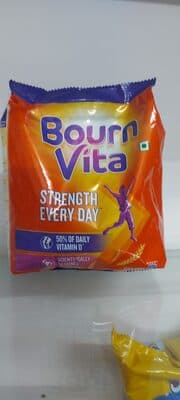
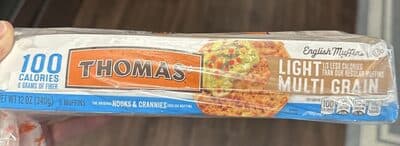
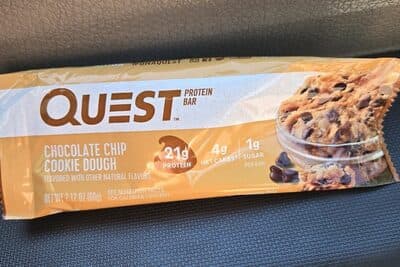
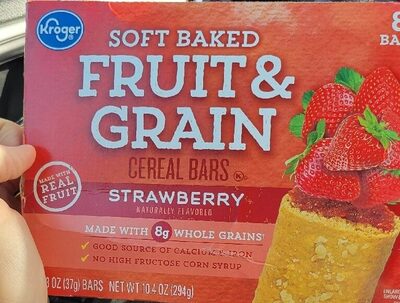
Polydextrose is employed across numerous food categories as a multifunctional ingredient. It is frequently found in sugar-free and reduced-calorie foods, including baked goods, beverages, confectionery, dairy products, and desserts. The additive functions primarily as a bulking agent to replace sugar and fat, helping maintain product volume and texture when caloric content is reduced. It also acts as a humectant, retaining moisture in products to extend shelf life. Additionally, polydextrose provides a prebiotic fiber effect, as it is not fully digestible by human enzymes, contributing dietary fiber with approximately 1 calorie per gram compared to 4 calories per gram for sugar.
Safety Assessment
Polydextrose has been extensively studied for safety. The FDA has not designated polydextrose as GRAS (Generally Recognized as Safe), though it is approved for use as a food additive in the United States under 21 CFR 172.841. The European Food Safety Authority (EFSA) has also evaluated polydextrose and considers it safe for consumption at levels currently used in foods. According to FDA records, there have been zero adverse events reported and zero recalls associated with polydextrose, indicating a strong safety profile in commercial use.
Gastrointestinal effects have been documented in human studies, particularly bloating, gas, and diarrhea, which are common with non-digestible carbohydrates when consumed in large quantities. These effects are dose-dependent and typically occur at intakes exceeding 50 grams per day. Standard food applications contain considerably lower amounts, minimizing the likelihood of such effects. Individual tolerance varies based on gut microbiota composition and adaptation over time.
Toxicological studies in laboratory animals have shown no significant adverse effects at dietary levels tested. Polydextrose is not mutagenic, carcinogenic, or teratogenic based on available evidence. It does not bioaccumulate in body tissues.
Regulatory Status
Polydextrose is approved as a food additive in multiple jurisdictions. In the United States, the FDA permits its use in various food categories under 21 CFR 172.841. The European Union permits polydextrose as a food additive under the E number system (E1200). Canada, Japan, Australia, and other countries similarly allow its use. The additive is classified as a formulation aid, stabilizer, thickener, texturizer, humectant, and nutrient supplement depending on its application.
Key Studies
Notable research on polydextrose includes digestibility studies demonstrating its resistance to enzymatic breakdown in the small intestine and its prebiotic properties in the colon. Studies published in peer-reviewed journals have examined its effects on blood glucose levels, showing minimal glycemic impact. Research has also documented its role as a dietary fiber source and its effects on satiety. Safety assessment studies have consistently supported its use at levels found in commercial food products, with the EFSA setting no established acceptable daily intake limit due to the absence of safety concerns at current usage levels.