What is N-butane?
N-butane, also known as butane or n-C4H10, is a simple hydrocarbon gas consisting of four carbon atoms and ten hydrogen atoms (CAS Number: 106-97-8). At room temperature and atmospheric pressure, it exists as a colorless, odorless to slightly odorous gas. In food applications, n-butane is liquefied under pressure and used as a propellant in aerosol delivery systems. It is distinct from other butane isomers such as isobutane, which has different chemical properties and applications.
Common Uses
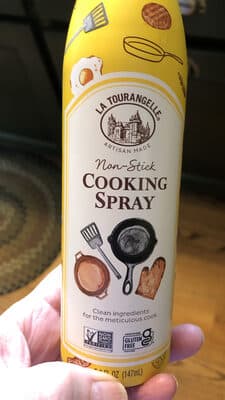
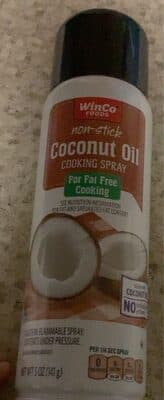
N-butane functions primarily as a propellant in food aerosols, particularly in whipped cream dispensers and other food products requiring pressurized delivery. It provides the force necessary to expel food contents from sealed containers. This application leverages its physical properties as a liquefiable gas that vaporizes upon release from pressure. While permitted in some food applications in various countries, n-butane's use in foods differs by jurisdiction and specific product type.
Safety Assessment
From a direct food safety perspective, n-butane itself does not remain in consumed food products in meaningful quantities, as the gas disperses upon depressurization. The FDA has not granted n-butane GRAS (Generally Recognized as Safe) status for food use in the United States. However, the agency has recorded zero adverse events and zero recalls associated with n-butane in foods, suggesting no documented public health incidents related to its food propellant applications. Toxicological data on n-butane indicates low oral toxicity when not ingested as a compressed gas. Inhalation exposure to concentrated n-butane vapor can cause central nervous system effects, but such exposure would not occur through normal food consumption. The European Food Safety Authority (EFSA) and other regulatory bodies maintain varying positions on butane and butane derivatives in food, reflecting different risk assessment approaches and permitted uses across regions.
Regulatory Status
N-butane does not have FDA GRAS status for use as a food additive in the United States. Its regulatory status varies internationally. Some countries permit its use as a propellant in specific food applications, while others restrict or prohibit it. The European Union permits certain butane isomers as propellants under specific conditions and quantity limits. Canada and other jurisdictions maintain their own regulatory frameworks governing n-butane in food. Manufacturers using n-butane must comply with applicable regulations in their target markets, including quantity restrictions and labeling requirements where mandated.
Key Studies
Limited published scientific literature specifically addresses n-butane as a food propellant, reflecting its narrow application scope. Available toxicological data on n-butane comes primarily from occupational exposure studies and industrial safety research rather than food-specific investigations. Studies examining hydrocarbon propellants more broadly suggest that food residues from properly functioning aerosol systems are minimal. Risk assessments conducted by regulatory agencies in countries where n-butane is permitted have concluded that exposure through food use presents negligible concern, though these assessments typically remain unpublished in peer-reviewed literature. The absence of reported adverse events in FDA databases provides empirical evidence of safety in actual use, though post-market surveillance data may not capture all potential concerns.