What is Mono- and Diglycerides, Diacetyltartaric Acid Esters?
Mono- and diglycerides, diacetyltartaric acid esters, commonly abbreviated as DATEM, is a synthetic emulsifier created by chemically combining mono- and diglycerides (derived from oils or fats) with diacetyltartaric acid. This modification creates a molecule with both hydrophilic (water-attracting) and lipophilic (fat-attracting) properties, making it an effective emulsifier. The CAS number 977051-29-8 uniquely identifies this chemical compound in scientific literature and regulatory databases.
Common Uses
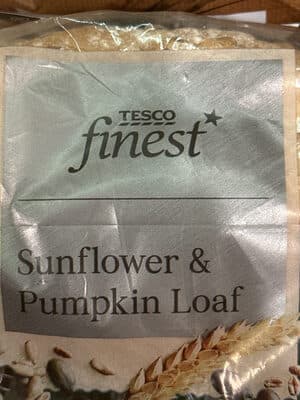
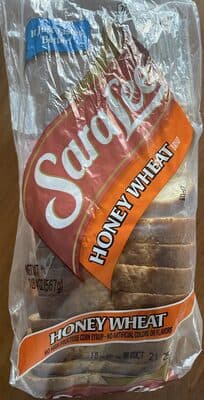
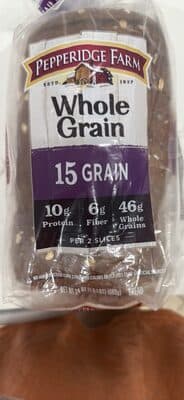
DATE is primarily used in baked goods, where it functions as both an emulsifier and texturizer. It is commonly found in commercial breads, cakes, pastries, and dough conditioners, where it improves dough handling properties and crumb structure. In margarines and spreads, DATEM helps create smooth, consistent textures and prevents separation of oil and water components. It also appears in some processed foods where stable emulsification is required. The additive typically comprises less than 0.5% of these food products by weight.
Safety Assessment
DATE has been determined to be Generally Recognized As Safe (GRAS) by the FDA, meaning the agency has concluded it is safe for its intended use in food. This determination is based on scientific data demonstrating safe consumption at expected use levels. The FDA's adverse events database contains zero reports associated with this specific additive, and no recalls linked to DATEM have been issued. In the European Union, mono- and diglycerides of fatty acids (E471) and their derivatives are approved food additives, though DATEM is subject to specific purity requirements and maximum use levels depending on food category.
Toxicological studies conducted on DATEM show no significant concerns at dietary exposure levels. The additive is not classified as a carcinogen, mutagenic, or reproductive hazard by major regulatory agencies. Upon ingestion, DATEM is metabolized similarly to other dietary fats and glycerides, breaking down into normal components of fat metabolism. Individual sensitivity or allergic reactions are extremely rare, though those with sensitivities to emulsifiers in general should exercise appropriate caution.
Regulatory Status
DATE is approved for use in food in multiple regulatory jurisdictions. In the United States, it is recognized as GRAS and may be used as a food additive without specific quantitative limitations, provided use is consistent with good manufacturing practice. In the European Union, similar compounds are listed under E numbers and have established maximum use levels for specific food categories, typically ranging from 2 to 20 grams per kilogram depending on the food type. Canada's Food and Drugs Act permits its use as a food additive. The compound must meet established purity specifications to ensure it contains no harmful impurities or degradation products.
Key Studies
Limited published peer-reviewed research specifically examines DATEM in isolation, as is common with many approved food additives that have long histories of safe use. Available toxicological data evaluates the safety of mono- and diglycerides and their ester derivatives generally. Research demonstrates that these compounds are readily hydrolyzed and metabolized through normal digestive pathways. No long-term studies have identified adverse health effects at dietary exposure levels. Scientific literature on bread chemistry documents DATEM's effectiveness in improving dough rheology and extending shelf life, supporting its functional necessity in commercial baking applications.