What is Mono- and Diglycerides, Acetyltartaric Acid Esters and Sodium and Calcium Salts?
Mono- and diglycerides acetyltartaric acid esters with sodium and calcium salts (CAS Number: 977093-27-8) is a synthetic food additive belonging to the emulsifier and texturizer category. This compound is created through chemical synthesis, combining fatty acid derivatives (mono- and diglycerides) with acetyltartaric acid and its sodium and calcium salt forms. The resulting ingredient functions as a molecular bridge between oil and water components, which normally do not mix naturally.
Common Uses
This emulsifier is used in various processed food applications where stabilization and texture improvement are needed. Typical applications include:
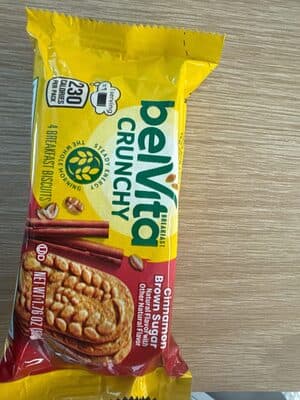
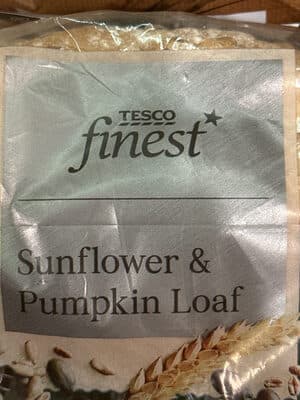
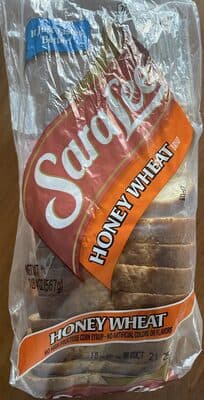
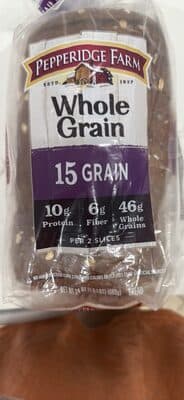
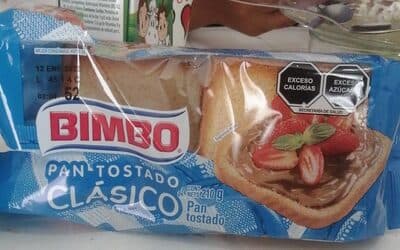
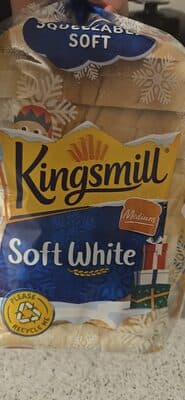
- Baked goods and bread products
- Margarine and spreads
- Confectionery products
- Processed meat products
- Dairy-based products
- Sauces and dressings
The additive helps maintain consistent texture, prevent separation of ingredients, extend shelf life, and improve mouthfeel in finished products. Its dual function as both emulsifier and texturizer makes it valuable in complex food formulations where multiple functional benefits are desired.
Safety Assessment
According to FDA records, there have been zero reported adverse events and zero recalls associated with this additive. This indicates no documented safety incidents in the United States food supply involving this particular compound.
The additive's safety profile is supported by its chemical composition. Mono- and diglycerides are derived from fatty acids and are naturally present in many foods. Acetyltartaric acid is a derivative of tartaric acid, which occurs naturally in fruits like grapes. The sodium and calcium salts are common mineral compounds used in food applications. These components have established safety histories in food manufacturing.
Toxicological data for similar emulsifier compounds in this class have generally shown low toxicity profiles in animal studies. The additive is not known to be acutely toxic, and at typical food use levels, exposure is minimal and considered safe by food safety standards.
Regulatory Status
This additive has not been granted GRAS (Generally Recognized as Safe) status by the FDA, which means it has not undergone the formal GRAS notification process or received FDA approval through that pathway. However, the absence of GRAS status does not indicate unsafety; rather, it reflects regulatory classification and approval pathways.
The additive may be approved under different regulatory frameworks in other regions. The European Union's food additive regulations and other international food safety authorities maintain separate approval processes and may have different regulatory determinations for this ingredient.
Manufacturers using this additive in food products must comply with applicable food additive regulations in their respective countries and ensure proper labeling on food packages.
Key Studies
Limited published literature is available specifically for this particular chemical combination. Most safety data derives from studies on the individual components (mono- and diglycerides, acetyltartaric acid, sodium salts, and calcium salts) which have longer histories of use in food applications.
Research on similar emulsifier systems in this category has generally indicated acceptable safety profiles when used at approved levels. Studies on mono- and diglycerides, the primary component, have shown they are metabolized similarly to dietary fats and do not accumulate in tissues.
The lack of adverse events and recalls in FDA records suggests this additive has not raised food safety concerns in practical use. However, comprehensive published research specifically examining this particular formulation may be limited in publicly available literature.