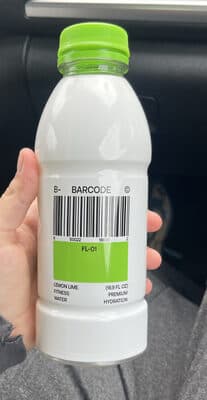
What is Lime Juice?
Lime juice is a natural liquid extracted from the fruit of Citrus aurantifolia and related lime species. It is composed primarily of citric acid (typically 4-6% by weight), water, and natural flavor compounds. As a food additive, lime juice functions as an acidity regulator and pH control agent, helping manufacturers achieve desired acidity levels in food products. The additive is derived entirely from natural sources and contains no synthetic components.
Common Uses
Lime juice is widely used across multiple food and beverage categories. In the beverage industry, it appears in soft drinks, sports drinks, cocktail mixes, and flavored water products. Food manufacturers incorporate lime juice into sauces, dressings, marinades, and condiments to add flavor and acidity. It is also used in canned and bottled seafood products, where its acidifying properties help preserve product quality and safety. The hospitality industry uses fresh lime juice extensively in beverages and culinary applications. Due to its natural origin and recognized flavor profile, lime juice is preferred by manufacturers seeking label-friendly acidifying ingredients.
Safety Assessment
Lime juice has a strong safety record based on its long history of culinary use and regulatory oversight. The FDA has designated lime juice as Generally Recognized as Safe (GRAS), meaning it has met rigorous safety standards for food use. The additive has generated zero reported adverse events in FDA databases and zero product recalls attributed to lime juice as an ingredient, reflecting its established safety profile.
From a chemical perspective, the primary active component—citric acid—is a naturally occurring organic acid found in citrus fruits. Human consumption of lime juice and citric acid has occurred for centuries without documented safety concerns at typical food use levels. The acidic nature of lime juice (pH typically 2-3) actually contributes to food safety by creating an environment unfavorable to pathogenic microorganisms.
Potential considerations for sensitive populations include dental enamel erosion from prolonged exposure to the citric acid in concentrated form, and rare allergic reactions in individuals with citrus fruit sensitivities. However, these concerns apply to the fruit itself rather than the additive as used in food products at normal consumption levels.
Regulatory Status
Lime juice holds approval status in major global food regulatory jurisdictions. The FDA classifies it as GRAS for food use, with no quantity limitations specified. The European Food Safety Authority (EFSA) permits lime juice and citric acid derivatives in food products under established regulations. Many countries recognize lime juice as a natural ingredient exempt from strict additive licensing requirements due to its culinary history and safety profile.
Labeling requirements vary by jurisdiction. In the United States, lime juice may be listed as "lime juice" or "concentrated lime juice" on ingredient statements. Manufacturers must comply with labeling regulations specific to their target markets.
Key Studies
The safety of citric acid and lime juice has been extensively documented in scientific literature. The EFSA conducted comprehensive reviews of citric acid and citrate salts, consistently concluding no safety concerns at typical food use levels. Toxicological studies have demonstrated that citric acid is readily metabolized in the body and does not accumulate in tissues.
Research on food preservation confirms that the acidifying effect of lime juice effectively inhibits bacterial pathogens including Listeria monocytogenes and E. coli in various food matrices. Studies on beverage shelf-life demonstrate lime juice's effectiveness as a natural preservative agent.
Dental health studies indicate that occasional exposure to acidic beverages poses minimal risk, while chronic exposure to concentrated citric acid may affect tooth enamel. These findings relate to frequency and concentration of exposure rather than safety concerns at typical additive use levels.