What is Enzyme-modified Lecithin?
Enzyme-modified lecithin is a food additive created by treating natural lecithin with specific enzymes to alter its molecular structure and improve its functional properties. Lecithin itself is a phospholipid naturally present in plant and animal tissues, commonly extracted from soybeans, sunflower seeds, or egg yolks. The enzymatic modification process breaks down the lecithin molecules in controlled ways, creating a product with enhanced emulsifying and dispersing capabilities compared to unmodified lecithin.
Common Uses
Enzyme-modified lecithin functions primarily as an emulsifier in the food industry, helping to create stable mixtures of ingredients that would otherwise separate. Common applications include:
- Baked goods and bread products, where it improves texture and extends shelf life
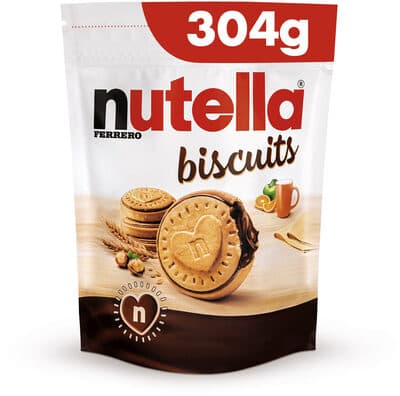
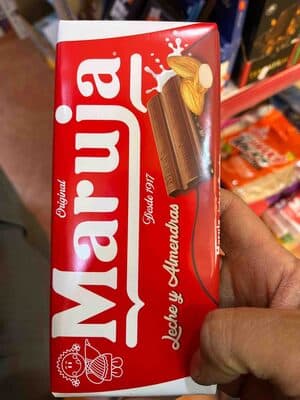
- Chocolate and confectionery products, where it reduces viscosity and improves flow
- Margarine and butter substitutes, where it stabilizes fat-water emulsions
- Processed meat products, where it helps maintain moisture and texture
- Beverages and dairy products, where it prevents ingredient separation
- Pharmaceutical and supplement formulations
The modified form is preferred in some applications because it may offer improved performance at lower usage levels compared to standard lecithin.
Safety Assessment
Enzyme-modified lecithin has not received GRAS (Generally Recognized as Safe) status from the FDA, which distinguishes it from standard lecithin, which does have GRAS designation. However, this distinction reflects regulatory classification rather than safety concerns. The lack of GRAS status means the additive undergoes more rigorous regulatory review before use approval in specific food applications.
According to FDA records, there have been no reported adverse events linked to enzyme-modified lecithin and no product recalls associated with this ingredient. The modification process itself uses food-grade enzymes and standard enzymatic techniques similar to those used in other approved food processing applications.
Since lecithin is naturally occurring and the enzymatic modification process uses approved enzymes, the safety profile is generally considered favorable. The enzyme used in the modification is typically inactivated or removed during processing, leaving primarily the modified lecithin molecules in the final product.
Regulatory Status
In the United States, enzyme-modified lecithin is regulated as a food additive under FDA oversight. While standard lecithin has GRAS status, enzyme-modified lecithin requires specific approval for each intended use as a food additive. This more stringent classification does not indicate safety concerns but rather reflects FDA's approach to novel food ingredient modifications.
In the European Union, enzyme-modified lecithin may be authorized under specific conditions defined by European Food Safety Authority (EFSA) regulations, depending on the source material and intended application. Regulatory approvals vary by country and application type.
Manufacturers using enzyme-modified lecithin must document its safety for the specific food application and obtain regulatory approval prior to commercialization in most jurisdictions.
Key Studies
Limited published research specifically addresses enzyme-modified lecithin, as most safety data relies on the well-established safety profile of lecithin itself combined with toxicology data on the enzymes used in modification. Studies on standard lecithin demonstrate it is readily digestible and presents no significant toxicological concerns at levels used in food.
Enzymatic modification is an established food processing technique used in numerous approved applications, providing confidence in the safety of this modification approach. The enzymes themselves are subject to separate safety evaluations before approval for food use.