What is Lecithin?
Lecithin is a phospholipid compound naturally present in plant and animal tissues. It is extracted commercially from sources including soybean oil, egg yolks, sunflower seeds, and rapeseed. The substance consists primarily of phosphatidylcholine, phosphatidylethanolamine, and phosphatidylinositol. Lecithin is classified as an emulsifier—a substance that helps mix ingredients that would normally separate, such as oil and water.
Common Uses
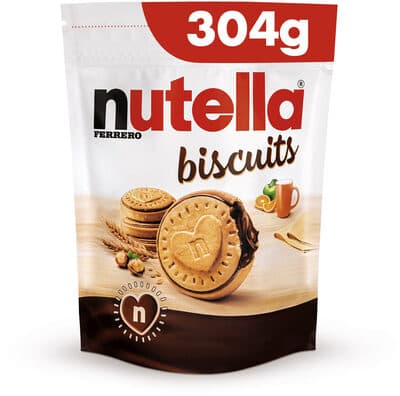
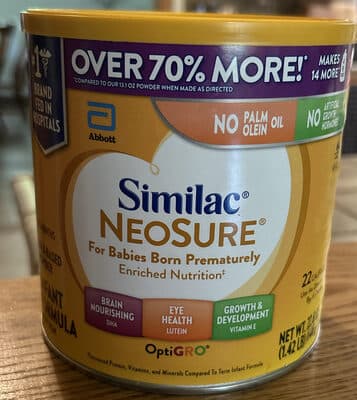
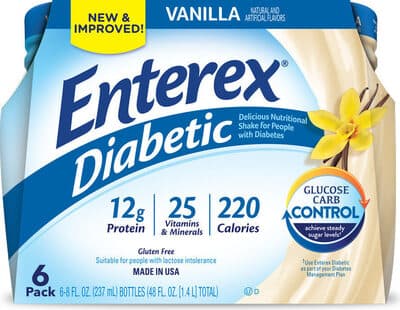
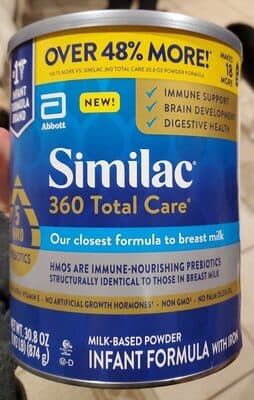
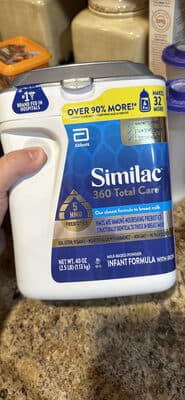
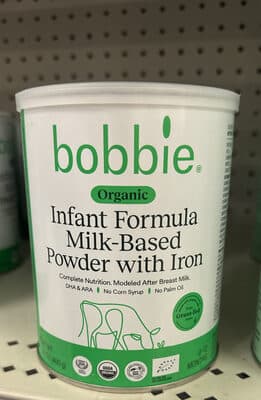
Lecithin serves multiple functional roles in food products. As an emulsifier, it is commonly found in chocolate, baked goods, margarine, and salad dressings, where it prevents separation and improves texture. In the baking industry, lecithin acts as a dough conditioner and release agent, improving dough handling properties and preventing sticking. It also functions as an anticaking agent in powdered products, a humectant to retain moisture, and a nutrient supplement due to its phospholipid content. Lecithin is used in confectionery, dairy products, infant formula, nutritional supplements, and numerous processed foods. The additive is particularly valued because it allows manufacturers to reduce the use of other emulsifiers or stabilizers.
Safety Assessment
Lecithin has an extensive history of safe use in food. The FDA recognizes lecithin as Generally Recognized as Safe (GRAS), meaning the additive is considered safe for consumption based on scientific evidence and expert consensus. The European Food Safety Authority (EFSA) also considers lecithin safe as a food additive. According to FDA records, there have been zero reported adverse events linked to lecithin consumption, and zero product recalls attributed to lecithin safety concerns.
The safety profile of lecithin is supported by its natural origin and presence in common foods. Egg yolk lecithin has been consumed for centuries, and soy lecithin has been used since the early 1900s. Human dietary intake of lecithin from natural food sources is substantial, and commercial use represents a continuation of traditional consumption patterns.
Toxicological studies on lecithin have not identified concerning safety issues at levels used in food. The compound is metabolized similarly to other dietary phospholipids and does not accumulate in tissues. Some individuals with soy allergies may need to avoid soy lecithin specifically, though highly purified soy lecithin typically contains minimal allergenic proteins. Egg lecithin would be unsuitable for those with egg allergies.
Regulatory Status
Lecithin is approved for use in the United States under 21 CFR 184.1400 (egg lecithin) and 21 CFR 184.1670 (soy lecithin), with FDA GRAS status. In the European Union, lecithin is listed as food additive E322 and is approved for use in numerous food categories without maximum level restrictions. Canada, Australia, and most other countries similarly permit lecithin in food manufacturing. The additive requires labeling in most jurisdictions when added to products, though specific labeling requirements vary by country and source material.