What is Lard?
Lard is rendered pig fat (adipose tissue) that has been processed to remove connective tissue and impurities. The CAS number 61789-99-9 identifies this ingredient in chemical databases. As a food additive, lard functions primarily as an emulsifier, helping to blend water and oil-based ingredients that would normally separate. It also serves as a formulation aid and texturizer, contributing to the desired mouthfeel and structure of finished food products.
Common Uses
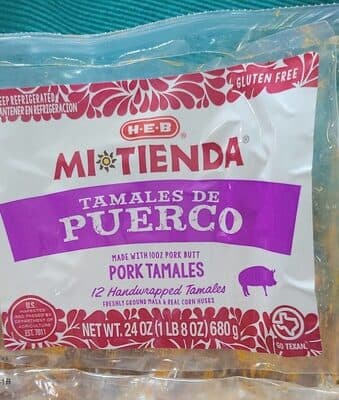
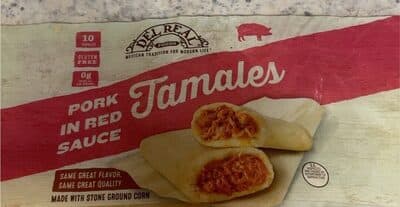
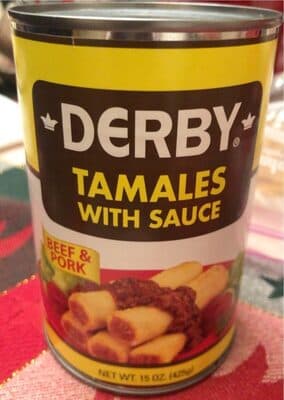
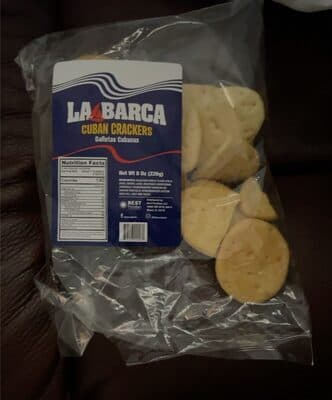
Lard has been used in food manufacturing for centuries and remains common in many applications today. It appears in baked goods such as pie crusts, biscuits, and pastries, where it creates flakiness and tenderness. In processed meat products including sausages, pâtés, and cured meats, lard acts as a binding agent and fat source. It is also used in shortenings, margarine formulations, and various prepared foods where fat integration and texture modification are desired. Some traditional and specialty food products continue to feature lard as a key ingredient.
Safety Assessment
Lard is a naturally occurring animal fat that has been consumed for thousands of years as both a cooking ingredient and food additive. According to FDA records, there have been zero adverse events reported in connection with lard as a food additive, and zero recalls involving lard contamination or safety issues. The ingredient does not appear on FDA lists of banned or restricted substances.
From a compositional standpoint, lard is approximately 40% saturated fat, 48% monounsaturated fat, and 12% polyunsaturated fat. Like all dietary fats, lard is energy-dense at 9 calories per gram. Nutritional concerns about lard relate to general fat intake and dietary composition rather than safety as a food additive per se. The FDA's GRAS (Generally Recognized As Safe) determination does not apply to lard in this database entry, which may reflect its status as a traditional ingredient evaluated under different regulatory frameworks rather than formal additive safety concerns.
Regulatory Status
Lard is permitted for use in food in the United States under FDA regulations. It does not require pre-market approval as it is recognized as a food ingredient with a long history of safe use. Lard is also approved for food use in the European Union and many other jurisdictions. Specific regulations may govern maximum use levels in certain food categories, and labeling requirements typically require lard to be declared on ingredient statements when present above de minimis levels.
As a rendered animal fat product, lard must be manufactured under food safety standards that ensure proper rendering and microbial control. Manufacturers must comply with FSMA (Food Safety Modernization Act) regulations and other applicable food safety requirements.
Key Studies
Lard as a food additive has not been the subject of extensive modern safety studies, primarily because it is a traditional ingredient with an extensive history of safe consumption rather than a novel chemical substance requiring safety evaluation. Scientific literature on dietary fat composition and health effects includes lard in various nutritional studies, but these examine it as a dietary fat rather than as an additive in small quantities within processed foods.
The zero adverse events and zero recalls in FDA databases support a profile of safe use in food manufacturing over the period for which modern monitoring has been in place. Any health considerations related to lard consumption relate to overall dietary fat intake and nutritional balance rather than toxicological concerns specific to the ingredient itself.