What is Invertase From Saccharomyces Cerevisiae?
Invertase (also known as sucrase) is an enzyme naturally produced by Saccharomyces cerevisiae, commonly known as baker's yeast. This enzyme catalyzes the hydrolysis of sucrose, breaking it down into its component monosaccharides: glucose and fructose. The enzyme is extracted and purified from yeast cells for use as a food processing aid and functional ingredient.
Saccharomyces cerevisiae is one of the oldest microorganisms used in food production, with a long history in brewing, baking, and fermentation dating back centuries. The use of enzymes derived from this organism is considered a traditional biotechnological approach in food manufacturing.
Common Uses
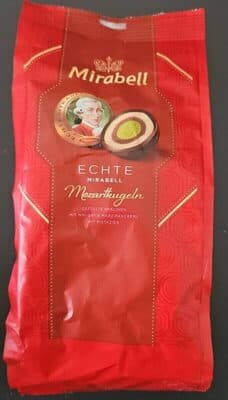
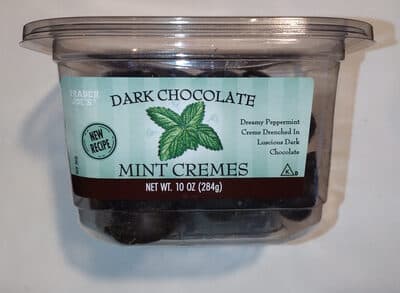
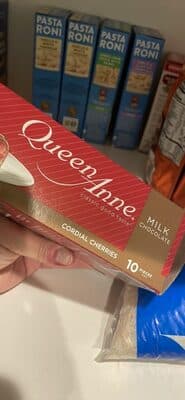
Invertase from S. cerevisiae is primarily used in the confectionery industry to prevent sugar crystallization and improve texture in filled chocolates and other confections. When sucrose is inverted into glucose and fructose, the resulting syrup has different crystallization properties, creating a smoother, more liquid center in filled candies over time—a process known as "inversion."
The enzyme is also employed in beverage production, particularly in the manufacturing of certain syrups and sweetened drinks, where it helps achieve desired sweetness profiles and texture characteristics. In some applications, it functions as a processing aid that improves operational efficiency by reducing viscosity during processing.
The enzyme may also be used in baking and fermentation processes where controlled sugar breakdown is beneficial for flavor development or fermentation rates.
Safety Assessment
Invertase from S. cerevisiae has an established history of safe use in food applications. The source organism, Saccharomyces cerevisiae, is classified as Generally Recognized as Safe (GRAS) by the FDA for various food applications and has been used safely in food production for generations.
Enzymes derived from S. cerevisiae are generally considered safe because:
1. **Source organism safety**: S. cerevisiae is non-pathogenic and has no history of producing toxins or allergens at levels of concern in food.
2. **Digestibility**: Proteins, including enzymes, are readily digestible and broken down in the human gastrointestinal tract into amino acids and other harmless metabolites.
3. **Regulatory history**: No adverse events or recalls associated with this specific enzyme have been reported to the FDA, despite its use in food manufacturing.
4. **Low residual levels**: Processing aids are typically used in small quantities and may be largely removed or inactivated during subsequent food processing steps.
Individuals with yeast allergies or sensitivities should be aware of the yeast source, though the purified enzyme itself carries minimal risk of allergenic proteins compared to whole yeast cells.
Regulatory Status
While invertase from S. cerevisiae does not have an official FDA GRAS determination listing, it falls under enzyme preparations that are regulated under FDA guidelines for food additives. The enzyme is permitted for use in food in several jurisdictions, including the European Union, where it is listed in food enzyme catalogs.
The FDA maintains that enzyme preparations derived from recognized safe microorganisms like S. cerevisiae may be used in food under the regulatory framework for food processing aids, provided they meet safety standards for purity and processing requirements.
Manufacturers must ensure that the enzyme preparation meets specifications for identity, purity, and activity, and that residual enzyme levels in the final food product are at acceptable levels.
Key Studies
Scientific literature on invertase confirms its mechanism of action and safety profile. Research demonstrates that invertase effectively hydrolyzes sucrose under controlled conditions in food manufacturing environments. Studies on S. cerevisiae-derived enzymes consistently show no toxicological concerns when used at levels typical in food applications.
The enzyme's efficacy and safety have been documented in food science literature, supporting its continued use in confectionery and beverage manufacturing. Industry-standard purity specifications and testing protocols ensure consistent safety across commercial preparations.