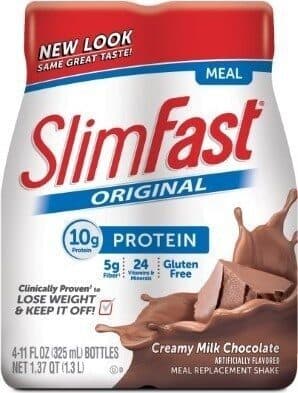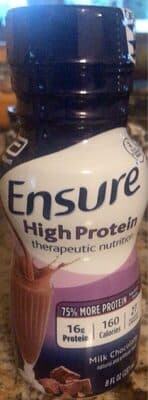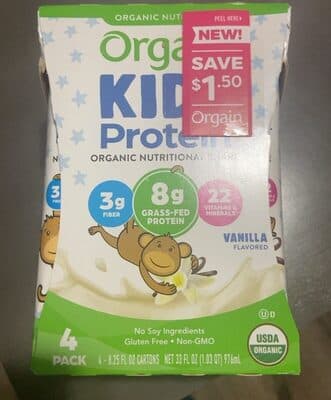
What is Gellan Gum?
Gellan gum (CAS Number: 71010-52-1) is a high-molecular-weight polysaccharide produced through fermentation by the bacterium Sphingomonas elodea. The fermentation broth is processed to extract and purify the gum, which is then typically spray-dried into a white to tan powder. Chemically, gellan gum consists of a repeating tetrasaccharide unit with a backbone of glucose and glucuronic acid residues. It has been used in food manufacturing since the 1990s.
Common Uses
Gellan gum functions primarily as a stabilizer and thickener in the food industry. Common applications include:
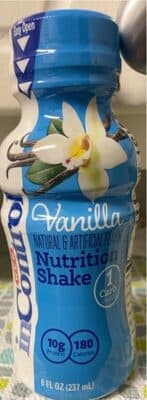
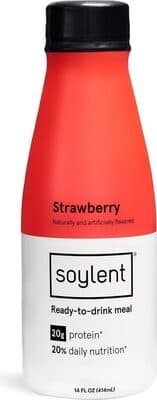
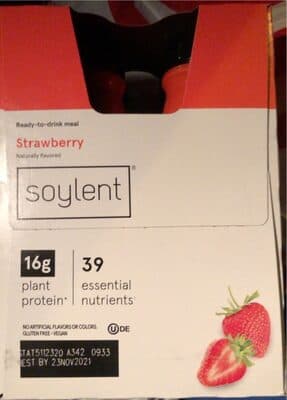
- Beverages: Used in flavored drinks, juices, and plant-based milk alternatives to prevent settling and maintain uniform texture
- Dairy products: Incorporated into yogurts, puddings, and ice cream to improve texture and prevent separation
- Salad dressings and sauces: Provides viscosity and emulsion stability
- Bakery fillings: Used in fruit fillings and glazes for structural integrity
- Confectionery: Employed in gels and jellies for texture modification
- Pet foods: Used in wet pet food formulations
The additive is valued for its ability to function at low concentrations (typically 0.1-0.5%) and its compatibility with both acidic and neutral pH environments.
Safety Assessment
Gellan gum has not received GRAS (Generally Recognized As Safe) status from the FDA, yet it remains permitted for use in specific food applications under FDA regulations. The FDA has recorded zero adverse events associated with gellan gum consumption as reported to their adverse event system.
The safety profile has been evaluated through multiple toxicological studies. Standard toxicity testing, including acute, subchronic, and chronic studies in animal models, has not identified significant concerns at levels far exceeding typical food use. Gellan gum is not metabolized by human enzymes and passes largely unchanged through the gastrointestinal tract, minimizing systemic absorption.
It is worth noting that four FDA recalls have been associated with products containing gellan gum. However, these recalls were not issued due to gellan gum itself being unsafe, but rather due to contamination or other adulterants found in products containing this ingredient, or because of labeling issues.
Regulatory Status
In the United States, gellan gum is approved for use in specific food categories under 21 CFR 172.665. It is permitted in non-standardized foods and in certain standardized foods where it functions as a stabilizer or thickener.
The European Food Safety Authority (EFSA) approved gellan gum as a food additive (E418) in 1997. It is listed as acceptable in numerous food categories throughout the EU and has an established acceptable daily intake (ADI) of "not specified," indicating no safety concern at current use levels.
Canada's Food and Drug Regulations also permit gellan gum as a food additive. International regulatory bodies, including Codex Alimentarius, recognize gellan gum as an acceptable food additive.
Key Studies
Toxicological assessments conducted by the Joint FAO/WHO Expert Committee on Food Additives (JECFA) found gellan gum to be safe for human consumption. Studies examining potential allergenic properties have found no evidence that gellan gum triggers IgE-mediated immune responses in susceptible individuals, though some individuals with visceral sensitivities may experience mild digestive effects from high quantities of any gelling agent.
Long-term feeding studies in animals at high doses (up to 5% of diet) showed no adverse effects on growth, organ weights, or histopathology. Human consumption studies and post-market surveillance have not identified safety concerns during decades of use in food applications worldwide.