What is Ferrous Sulfate?
Ferrous sulfate (CAS Number: 7782-63-0) is an inorganic iron salt composed of iron in the +2 oxidation state bonded to sulfate. It appears as pale green to greenish crystals and is highly soluble in water. The compound is also known as iron(II) sulfate or ferrous sulphate in some regions. It has been used in food fortification programs worldwide for decades due to its bioavailability and effectiveness in addressing iron deficiency.
Common Uses
Ferrous sulfate functions primarily as a nutrient supplement in food fortification applications. It is commonly added to:
- Grain-based products (flour, bread, cereals)
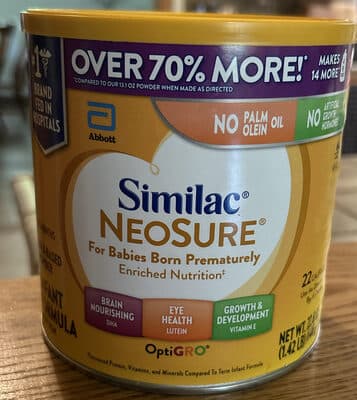
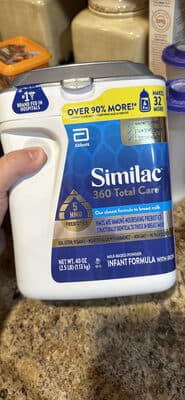
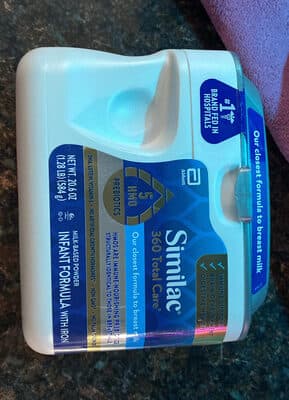
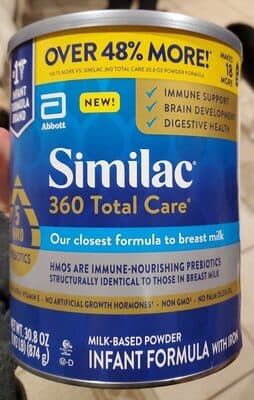
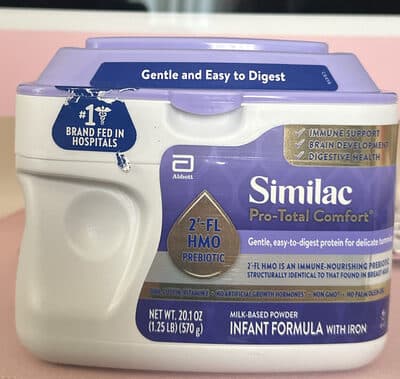
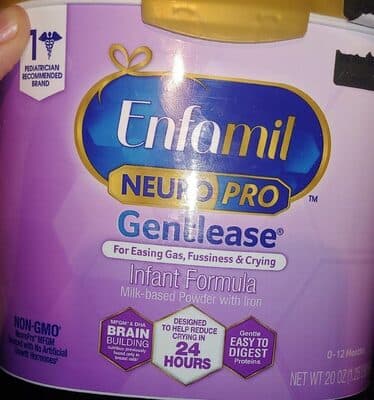
- Infant formulas and nutritional supplements
- Fortified beverages
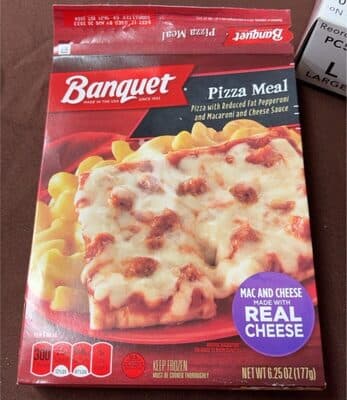
- Pasta and rice products
- Nutritional bars and meal replacement products
The additive serves dual functions as both a nutrient supplement and processing aid, helping to maintain product stability and quality during manufacturing. Iron fortification addresses widespread nutritional deficiencies, particularly in developing nations where iron deficiency anemia remains a public health concern.
Safety Assessment
Ferrous sulfate has an extensive safety history in food applications. The FDA has received zero adverse event reports and zero recalls associated with this additive, indicating a strong safety profile in commercial food products at permitted levels.
The compound's safety is well-established through decades of use in food fortification programs. Iron from ferrous sulfate is absorbed by the human body through normal intestinal mechanisms, similar to dietary iron from food sources. At approved fortification levels, ferrous sulfate does not present toxicological concerns for the general population.
The European Food Safety Authority (EFSA) has similarly evaluated iron compounds used in food fortification and determined them safe when used within established limits. The primary consideration with iron supplementation relates to excessive intake, which is why regulatory limits on fortification levels exist.
Individuals with certain genetic conditions affecting iron metabolism (such as hemochromatosis) should be aware of iron intake from fortified foods, though this represents a specific medical consideration rather than a food safety issue with the additive itself.
Regulatory Status
While ferrous sulfate does not carry FDA GRAS (Generally Recognized as Safe) status, it is approved and permitted for use in food fortification under FDA regulations. The lack of GRAS designation does not indicate safety concerns; rather, it reflects the regulatory pathway through which the additive was approved.
Ferrous sulfate is accepted in food fortification standards established by Codex Alimentarius, the joint FAO/WHO standards body. It is approved for use in numerous countries including Canada, Australia, and European Union member states.
The additive is subject to specific use limitations and maximum fortification levels established by regulatory bodies to ensure optimal nutritional benefit without excessive iron intake.
Key Studies
Extensive research has evaluated ferrous sulfate's bioavailability and efficacy in addressing iron deficiency. Studies demonstrate that ferrous sulfate is efficiently absorbed by the human body and effectively raises serum iron levels. Research published in nutritional journals confirms that iron-fortified foods using ferrous sulfate significantly reduce iron deficiency prevalence in target populations.
Long-term surveillance data from countries with extensive iron fortification programs shows no adverse health effects attributable to ferrous sulfate at approved fortification levels. The World Health Organization has endorsed iron fortification with ferrous sulfate as a cost-effective public health intervention.