What is Ethyl Alcohol?
Ethyl alcohol, also known as ethanol, is a simple organic compound with the chemical formula C₂H₅OH. It is naturally produced through fermentation of sugars by yeast and bacteria, and is the same type of alcohol found in alcoholic beverages. In food manufacturing, ethyl alcohol is used in its pure form as an additive to serve multiple functional purposes beyond its role in alcoholic drinks.
Common Uses
Ethyl alcohol serves several important functions in food production:
**Antimicrobial Agent**: Ethanol inhibits the growth of bacteria, fungi, and other microorganisms, making it valuable for preserving foods and extending shelf life. It is particularly useful in products like vanilla extracts, citrus extracts, and other flavoring preparations.
**Solvent**: Ethanol effectively dissolves flavor compounds, colors, and other food ingredients that may not dissolve well in water, allowing manufacturers to create consistent and uniform products.
**Flavor Enhancer**: In low concentrations, ethanol can enhance and round out the flavor profile of foods and beverages.
**Processing Aid**: It facilitates various manufacturing processes and helps maintain product stability during production and storage.
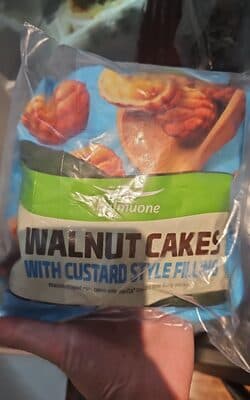
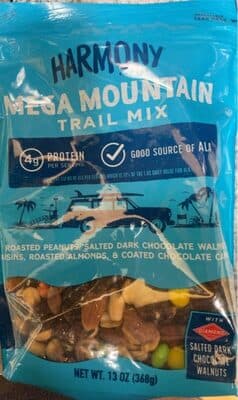
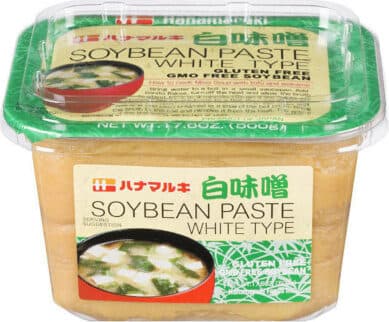
Common foods containing ethyl alcohol as an additive include vanilla and other extracts, some baked goods, sauces, and non-alcoholic beverages where residual amounts may remain after processing.
Safety Assessment
Ethyl alcohol has an extensive history of safe use in foods when used at appropriate levels. The FDA has classified ethanol as Generally Recognized As Safe (GRAS) for its intended uses in food products. This designation is based on its long history of consumption and use in foods, as well as scientific evidence supporting its safety at typical food additive levels.
According to FDA records, there have been zero adverse events reported in connection with ethyl alcohol as a food additive, and zero recalls related to its use. This safety profile reflects both the careful regulation of food products and the compound's inherent low toxicity at food-use levels.
It is important to distinguish between ethanol as a food additive in trace amounts and consumption of alcoholic beverages. The levels of ethyl alcohol remaining in most foods after processing and evaporation are minimal and do not present the same health considerations as alcohol consumption.
Regulatory Status
Ethyl alcohol is approved for use as a food additive in multiple jurisdictions:
**United States**: The FDA recognizes ethanol as GRAS when used for its intended purposes as an antimicrobial agent, emulsifier, flavor enhancer, flavoring agent, processing aid, and solvent.
**European Union**: Ethanol is approved as a food additive (E1510) in the European Union and is permitted in various food categories with specific conditions.
**International**: The ingredient is widely accepted in food safety regulations globally and appears in international food standards.
Manufacturers must comply with regulations regarding maximum residue levels in finished products and proper labeling requirements where applicable.
Key Studies
The safety of ethyl alcohol in foods has been extensively studied through both historical use data and modern scientific research. The long history of fermented foods and beverages containing naturally occurring ethanol provides substantial evidence of safety when consumed at typical food levels. The GRAS designation reflects comprehensive review of available scientific literature and expert consensus on safety.
Research on ethanol's antimicrobial properties demonstrates its effectiveness in preventing microbial spoilage and foodborne pathogenic contamination at concentrations used in food products. Studies on solvent applications confirm ethanol's efficacy in extraction and dissolution processes without creating harmful residues.