What is Dipotassium Phosphate?
Dipotassium phosphate (K₂HPO₄), also known as dipotassium hydrogen phosphate, is an inorganic salt compound with CAS number 7758-11-4. It exists as a white crystalline powder or granules and is highly soluble in water. This compound is a buffering agent and nutrient supplement that provides both potassium and phosphate ions to food systems.
Common Uses
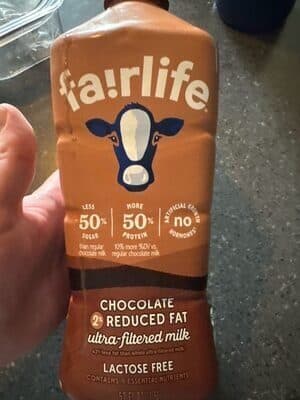
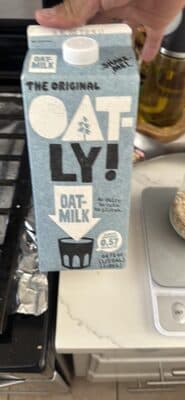
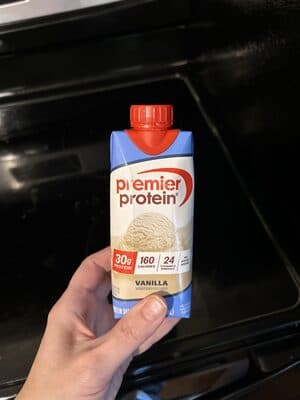
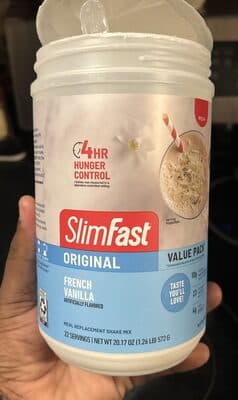
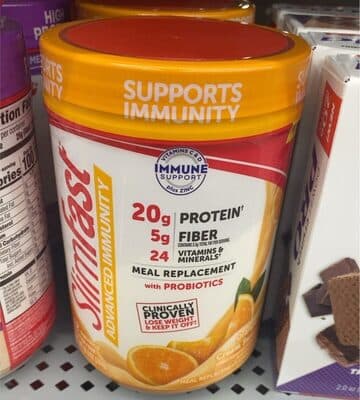
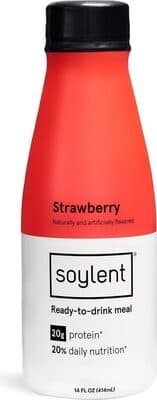
Dipotassium phosphate serves multiple functional roles in food manufacturing. As an emulsifier and emulsifier salt, it helps maintain uniform texture and prevent separation in processed cheese, dairy products, and cream-based items. In beverages, it acts as a pH control agent to maintain desired acidity levels and improve stability. The ingredient also functions as a sequestrant, binding trace metals that could otherwise cause spoilage or discoloration. Additionally, it serves as a nutrient supplement, contributing bioavailable potassium and phosphorus to fortified food products. Common food applications include instant puddings, powdered beverages, whipped toppings, processed meats, and dairy-based products.
Safety Assessment
Dipotassium phosphate has an extensive safety history in food applications. The FDA designated this additive as GRAS (Generally Recognized As Safe) status, indicating that qualified experts consider it safe for its intended use. According to FDA records, there have been zero reported adverse events associated with dipotassium phosphate and zero product recalls linked to this ingredient.
The European Food Safety Authority (EFSA) has also evaluated phosphate additives, including dipotassium phosphate (E339), and determined acceptable daily intake levels. The compound is recognized across multiple regulatory bodies worldwide as a safe food additive when used at approved levels.
From a toxicological perspective, dipotassium phosphate is not acutely toxic. It is metabolized similarly to naturally occurring phosphates consumed in the diet. The potassium component is regulated by the body's homeostatic mechanisms, and excess amounts are typically excreted through urine. Individuals with specific medical conditions affecting potassium or phosphorus metabolism should consult healthcare providers about dietary sources, though dipotassium phosphate contributions from processed foods are generally minor compared to whole food sources.
Regulatory Status
Dipotassium phosphate is approved for use in food in numerous countries and regulatory jurisdictions:
- **United States**: FDA GRAS status; approved as a direct food additive in 21 CFR 182.6375
- **European Union**: Approved as food additive E339; regulated under EU Regulation 1333/2008
- **Canada**: Permitted as a food additive under the Food and Drugs Act
- **Australia/New Zealand**: Approved under Food Standards Code
Maximum use levels vary by food category and jurisdiction. In the US, dipotassium phosphate may be used in cheese, grain products, and other foods where its functional properties are needed, subject to GMP (Good Manufacturing Practice) limitations.
Key Studies
Research on phosphate additives, including dipotassium phosphate, has focused on both functional properties and safety. Studies examining phosphate salt functionality in processed cheese demonstrate effective emulsification and texture maintenance. Bioavailability studies confirm that phosphate from these additives is absorbed and metabolized similarly to naturally occurring dietary phosphates.
Safety evaluations conducted by regulatory agencies found no evidence of genotoxicity, carcinogenicity, or developmental toxicity at levels relevant to food use. Long-term feeding studies in animal models support the safe use of this additive at approved levels. Recent epidemiological research examining high dietary phosphate intake has primarily focused on pharmaceutical-grade supplements and food additives at levels substantially exceeding typical food applications.