What is Casein?
Casein is a naturally occurring protein extracted from milk, comprising approximately 80% of the total protein content in bovine milk. It is obtained through acid or enzymatic coagulation of milk, separating the protein from whey and lactose. The resulting casein can be used in its natural form or further processed into caseinates (calcium caseinate, sodium caseinate, potassium caseinate) for enhanced functional properties. CAS Number 9000-71-9 identifies this additive in regulatory and scientific databases.
Common Uses
Casein serves multiple functions in food manufacturing due to its excellent emulsifying and stabilizing properties. It is commonly found in:
- Non-dairy creamers and coffee whiteners
- Processed cheese and cheese products
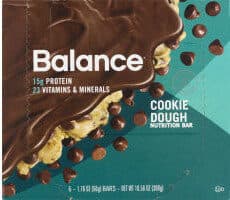
- Nutritional supplements and protein powders
- Frozen desserts and ice cream
- Meat products and processed meats
- Baked goods and bread products
- Confectionery and chocolate products
- Whipped toppings and dessert preparations
The protein's ability to bind water, stabilize fat emulsions, and improve texture makes it valuable in formulations where traditional dairy ingredients may not be practical. Additionally, casein contributes nutritional value as a complete protein source containing all essential amino acids.
Safety Assessment
Casein has a well-established safety record in food applications. The FDA recognizes casein and its derivatives as Generally Recognized As Safe (GRAS) for their intended uses. According to FDA records, there are zero reported adverse events associated with casein and zero product recalls attributed to this additive.
For individuals with lactose intolerance, casein is generally well-tolerated since the lactose is removed during processing. However, those with milk protein allergies should avoid casein-containing products, as casein is a milk-derived protein and can trigger allergic reactions in sensitive individuals. This is a labeling concern rather than a safety issue with the additive itself.
The European Food Safety Authority (EFSA) has similarly evaluated caseinate additives and concluded they are safe for the general population at current usage levels. Digestibility studies show casein is efficiently broken down during normal digestion, with no evidence of bioaccumulation or toxic metabolites.
Regulatory Status
Casein is approved for use as a food additive in multiple jurisdictions:
- **United States**: FDA GRAS status for multiple food applications
- **European Union**: Listed as a permitted food additive (E531 for sodium caseinate, E532 for potassium caseinate, E533 for calcium caseinate)
- **Canada**: Permitted as a food additive with specific usage limitations
- **Australia/New Zealand**: Approved under Food Standards Code
- **Japan**: Permitted in various food categories
Limitations typically relate to maximum usage levels in specific food categories, as regulated by individual jurisdictions. These limits are set below levels where any physiological concern would exist, following standard safety assessment methodologies.
Key Studies
Scientific literature on casein demonstrates its safety profile:
- Long-term feeding studies in animals have shown no adverse effects at levels far exceeding typical human food consumption
- Protein digestibility studies confirm casein is efficiently utilized by the human body
- Stability and shelf-life studies validate its function as a stabilizer and emulsifier
- Microbiological safety assessments confirm processing methods effectively eliminate potential pathogens
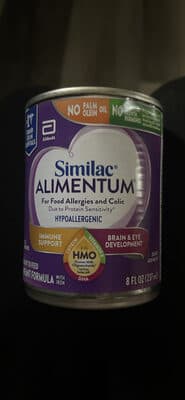
Casein's use in infant formulas in some countries, after appropriate processing, further underscores its safety when used as intended. The protein has been consumed as a component of milk products for centuries, providing extensive historical safety data alongside modern scientific assessment.