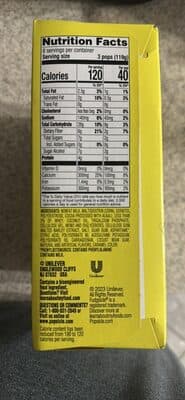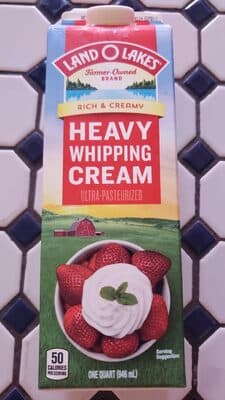
What is Carrageenan with Polysorbate 80?
Carrageenan with Polysorbate 80 is a composite food additive that combines two distinct functional ingredients. Carrageenan is a naturally occurring polysaccharide extracted from red seaweed (Rhodophyceae), while polysorbate 80 (also known as Tween 80) is a synthetic polyoxyethylene sorbitan monooleate. When combined, these ingredients function synergistically as an emulsifier, stabilizer, and thickener in food formulations.
Common Uses
This additive combination is typically used in food products requiring both emulsification and stabilization properties. Common applications include:
- Dairy products such as ice cream, yogurt, and flavored milk beverages
- Salad dressings and mayonnaise-based products
- Sauces and gravies
- Baked goods and cake mixes
- Beverages including plant-based milk alternatives
- Confectionery products
The combination allows manufacturers to achieve desired texture, mouthfeel, and shelf stability while using lower concentrations of individual ingredients than might be required if used separately.
Safety Assessment
Both components of this additive combination have extensive safety histories. Carrageenan has been used in food for centuries and is recognized as safe by major regulatory bodies. Polysorbate 80 has been used as a food additive for decades with a well-documented safety profile.
According to FDA records, there are zero adverse events and zero recalls associated with this specific combination additive. This absence of reported safety incidents aligns with the safety profiles of its individual components when used within established regulatory limits.
The European Food Safety Authority (EFSA) has conducted safety evaluations of carrageenan and established acceptable daily intake levels. Similarly, polysorbate 80 has been evaluated and deemed safe for food use at approved levels by both the FDA and EFSA.
Typical usage levels for this additive combination in food products are well below those that would raise safety concerns. Standard applications use concentrations ranging from 0.1% to 0.5% by weight, depending on the specific food product and desired functional effect.
Regulatory Status
It should be noted that this specific combination additive (CAS Number: 977043-68-7) does not have FDA GRAS (Generally Recognized as Safe) status as a pre-made combination. However, this does not indicate safety concerns. Rather, it reflects the regulatory classification system, where individual ingredients may have different approval pathways than pre-formulated combinations.
The individual components are approved for use in food:
- Carrageenan is FDA-approved and GRAS for general food use
- Polysorbate 80 is FDA-approved and GRAS for food applications
Manufacturers using this combination must ensure compliance with the regulations governing each component, including maximum usage levels established by regulatory authorities in their respective jurisdictions.
Key Studies
Research on carrageenan has been extensive, with hundreds of peer-reviewed studies examining its safety profile. Major reviews by scientific bodies have consistently supported its safety when used as a food additive within recommended limits.
Polysorbate 80 has also been thoroughly studied. Toxicological evaluations have been published in scientific literature, with regulatory bodies using this data to establish safe usage levels.
While specific combination studies may be limited, the safety of both individual components is well-documented, and their combined use does not introduce new safety considerations beyond those established for each ingredient independently. The synergistic functional benefits of combining these ingredients have made them attractive for food manufacturers seeking to optimize product formulation.