What is Carrageenan, Potassium Salt Of, With Polysorbate 80?
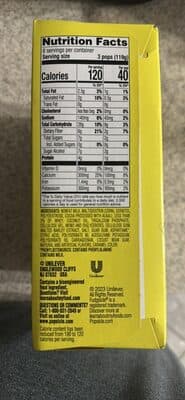
This additive is a composite formulation combining two functional ingredients: carrageenan potassium salt and polysorbate 80. Carrageenan is a natural polysaccharide extracted from red seaweed (Rhodophyceae), while polysorbate 80 (also called Tween 80) is a synthetic emulsifier. The potassium salt form of carrageenan is one of three primary carrageenan variants (kappa, iota, and lambda), distinguished by their gel-forming properties and viscosity characteristics. When combined, these ingredients work synergistically to stabilize emulsions and maintain product texture during storage and distribution.
Common Uses
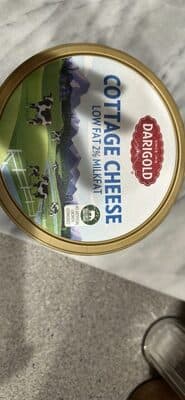
This additive combination is employed in various food categories where emulsification and thickening are simultaneously required. Primary applications include dairy products such as chocolate milk, flavored yogurts, and cream-based sauces; beverage formulations including plant-based milk alternatives and nutritional drinks; and processed foods requiring extended shelf stability. The combination is particularly valuable in products subject to temperature fluctuations or extended storage periods, where ingredient separation would otherwise occur. Food manufacturers select this specific formulation when the individual properties of carrageenan and polysorbate 80 together provide superior stability compared to single-agent alternatives.
Safety Assessment
Carrageenan has been extensively studied for safety, with the FDA recognizing it as Generally Recognized As Safe (GRAS) since 1973 for use as a thickening agent and stabilizer. However, this specific combination product (CAS Number 977089-30-7) does not carry an independent FDA GRAS determination, which is common for proprietary additive blends. Polysorbate 80 is also GRAS-designated for food use at specified levels. The FDA has recorded zero adverse events and zero recalls associated with this specific additive formulation, indicating a historical safety record without reported consumer incidents. Scientific literature on carrageenan has examined potential effects on gastrointestinal health, with some studies suggesting food-grade carrageenan is well-tolerated at typical consumption levels. The European Food Safety Authority (EFSA) has conducted risk assessments on carrageenan and established acceptable daily intake levels. Individual sensitivity to food additives remains possible, though documented adverse reactions are rare.
Regulatory Status
While individual components are approved, this specific combination does not hold FDA GRAS status, meaning it likely operates under food additive petition provisions or is manufactured for use in jurisdictions with different regulatory frameworks. This lack of explicit FDA GRAS designation does not indicate safety concerns but rather reflects that combined formulations often receive regulatory review differently than their isolated components. The additive may be approved for use in other regulatory zones including the European Union, where carrageenan is listed as E407 and polysorbate 80 as E433. Manufacturers must comply with specific usage limits and labeling requirements in each jurisdiction where the product is sold.
Key Studies
Research on carrageenan safety has been published extensively in peer-reviewed journals, examining its effects on digestive health and metabolic function. Studies generally distinguish between degraded carrageenan (used in research models) and food-grade carrageenan as used in commercial products, with food-grade forms showing minimal adverse effects in standard toxicological testing. Polysorbate 80 has similarly undergone safety evaluation with established acceptable daily intake levels. The combination's stability properties have been documented in food science literature examining emulsion durability. Most evidence derives from studies on individual components rather than this specific formulation blend, which is typical for proprietary additive combinations.