What is Carrageenan and Salts of Carrageenan?
Carrageenan is a naturally occurring polysaccharide derived from certain species of red seaweed (genus Kappaphycus and Eucheuma). The substance consists of alternating units of galactose and 3,6-anhydrogalactose linked by glycosidic bonds. Salts of carrageenan refer to the potassium, sodium, and calcium salt derivatives of this polymer, which are created through processing to enhance functionality in food applications.
The additive exists in three main types: kappa-carrageenan, iota-carrageenan, and lambda-carrageenan, each with slightly different chemical structures and gelling properties. Food-grade carrageenan is refined and purified during manufacturing to remove cellular material and ensure consistency.
Common Uses
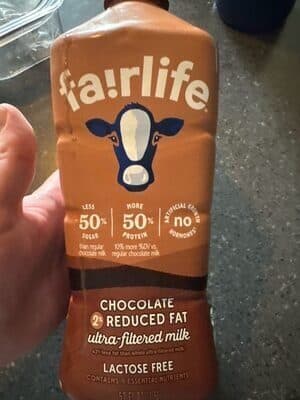
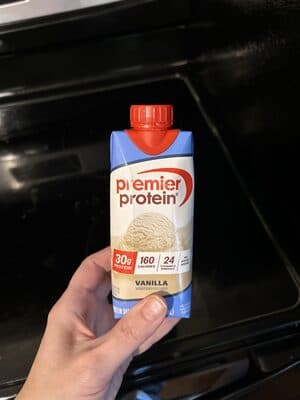
Carrageenan and its salts function as multipurpose additives in numerous food categories. In dairy products, they stabilize milk proteins and prevent separation in products like yogurt, ice cream, and flavored milk. Beverages including plant-based milk alternatives rely on carrageenan to maintain homogeneity and prevent sedimentation of suspended particles.
These additives also appear in processed meats and seafood products, where they improve texture and water retention. In desserts and confections, carrageenan creates gel structures and improves mouthfeel. Low-fat and reduced-calorie foods frequently use carrageenan as a fat replacer to maintain sensory appeal without adding calories.
The emulsifying and thickening properties make carrageenan valuable in salad dressings, sauces, and prepared meals where texture stability is important during storage and distribution.
Safety Assessment
Carrageenan has been extensively studied for safety. The FDA granted Generally Recognized As Safe (GRAS) status for food-grade carrageenan, indicating it is widely recognized among qualified experts as safe for its intended use. According to FDA records, there are zero reported adverse events associated with carrageenan and zero product recalls specifically attributed to this additive.
The European Food Safety Authority (EFSA) also approves carrageenan (E407) and carrageenan salts (E407a) as food additives in the EU, with established maximum use levels that vary by food category. These regulatory bodies conduct ongoing monitoring of safety data.
Some consumer concerns have been raised regarding potential gastrointestinal effects from carrageenan consumption. However, scientific literature indicates that food-grade carrageenan (distinguished from degraded carrageenan used in laboratory research) does not demonstrate significant harmful effects in normal dietary amounts. The distinction between food-grade and degraded carrageenan is critical, as much early research used degraded forms not present in food products.
Regulatory Status
Carrageenan holds GRAS status in the United States under 21 CFR 182.7187, permitting its use in food without a specific upper limit in most categories. The FDA regulates its purity and sets specifications for processing and contaminant levels.
In the European Union, carrageenan (E407) and carrageenan salts (E407a) are approved additives with specific use levels depending on food category. The Codex Alimentarius Commission recognizes carrageenan as an acceptable food additive in international food standards.
Canada's Food and Drug Regulations also permit carrageenan as a food additive with specified uses and purity requirements.
Key Studies
Multiple systematic reviews have evaluated carrageenan safety, including meta-analyses examining gastrointestinal effects. A 2016 review in Critical Reviews in Toxicology found that food-grade carrageenan does not demonstrate genotoxic or carcinogenic potential. Research consistently distinguishes between food-grade carrageenan and degraded carrageenan (poligeenan), which was used in older toxicology studies.
The Joint FAO/WHO Expert Committee on Food Additives (JECFA) has evaluated carrageenan multiple times, establishing acceptable daily intake levels based on animal and human studies. Long-term feeding studies in animals have shown no significant toxic effects at dietary levels far exceeding human consumption.
Observational studies examining consumption patterns in countries with high carrageenan use have not identified consistent safety signals in populations consuming this additive regularly.