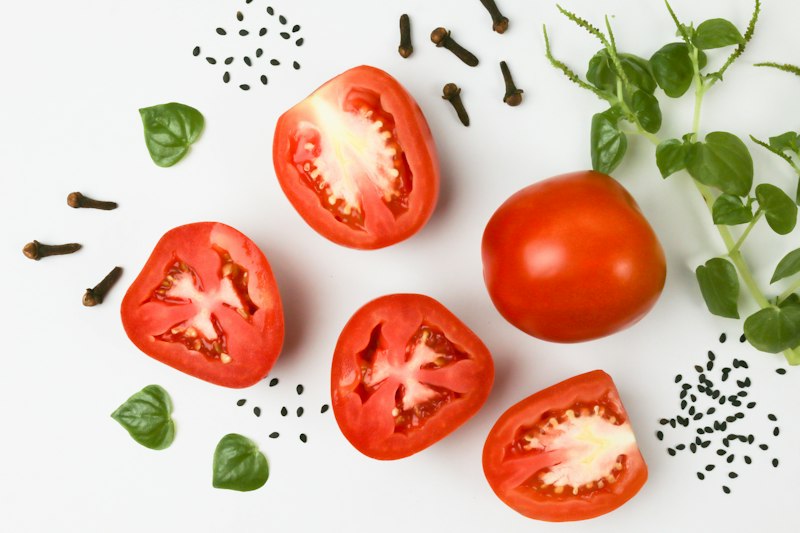
What is Angelica Seed?
Angelica seed consists of the dried seeds from plants belonging to the genus Angelica, a group of herbaceous plants in the Apiaceae family. These seeds are characterized by their aromatic properties and have been used in traditional European food preparation for centuries, particularly in Scandinavian and Central European cuisines. The botanical material contains various volatile compounds and phytochemicals that contribute to its distinctive flavor profile.
Common Uses
Historically, angelica seed has been employed in food applications primarily as a flavoring agent and in the preparation of herbal beverages. It appears in some traditional liqueurs, particularly in Nordic and Alpine regions. Additionally, angelica seed has been used in small quantities in baked goods, confectionery, and as a component of herbal tea blends. However, comprehensive documentation of its current use in modern food manufacturing is limited, and specific functional applications in contemporary processed foods are not well-established in available scientific literature.
Safety Assessment
According to FDA records, no adverse events have been reported in connection with angelica seed consumption, and no food recalls involving this ingredient have been documented. This suggests a general safety profile in typical culinary applications at traditional use levels. However, the absence of reported adverse events does not constitute formal safety approval. Angelica species contain various compounds including coumarins and essential oils, which have been studied in other contexts. Some angelica species contain furanocoumarins, compounds known to cause photosensitivity in certain individuals at high concentrations. Typical culinary use of angelica seed is associated with minimal systemic exposure to these compounds. The European Food Safety Authority (EFSA) has evaluated angelica in various contexts, though comprehensive monographs specifically addressing angelica seed safety in food are limited.
Regulatory Status
Angelica seed does not hold FDA GRAS (Generally Recognized As Safe) status, indicating that it has not undergone the formal GRAS notification process or been formally affirmed as safe for food use. This absence of GRAS status does not necessarily indicate safety concerns; rather, it suggests that formal safety documentation and regulatory classification have not been completed. In some jurisdictions, angelica may be listed as a traditional botanical ingredient with a history of use preceding modern regulatory frameworks. The regulatory pathway for this ingredient varies by country, with some European nations having established traditional use monographs for related angelica preparations.
Key Studies
Scientific literature on angelica seed specifically as a food additive is sparse. Most available research examines angelica plants broadly, focusing on their ethnobotanical uses, chemical composition, and isolated compound effects. Studies on volatile oils from angelica species have characterized major constituents including decursinol, angelicin, and various terpenes. Research on angelica root has been more extensive than on seeds, with studies investigating potential antimicrobial and antioxidant properties of isolated compounds. However, these studies typically employ concentrations and extraction methods not representative of culinary use. Controlled human safety studies specific to angelica seed consumption are not readily available in peer-reviewed scientific databases. Toxicology data from regulatory submissions, if any exist, would provide additional safety information but are not publicly documented.