What is Ammonium Bicarbonate?
Ammonium bicarbonate is an inorganic chemical compound with the formula NH₄HCO₃ and CAS number 1066-33-7. It is a white crystalline solid that is soluble in water. Also known as ammonium hydrogen carbonate or ammonium acid carbonate, this salt has been used in food production for over a century, particularly in European and Asian baking traditions.
The compound works as a leavening agent through thermal decomposition. When heated above 60°C (140°F), ammonium bicarbonate breaks down into three components: ammonia gas (NH₃), carbon dioxide (CO₂), and water (H₂O). The carbon dioxide creates the gas bubbles that cause baked goods to rise, while the ammonia and water generally volatilize during baking, leaving minimal residue in the finished product.
Common Uses
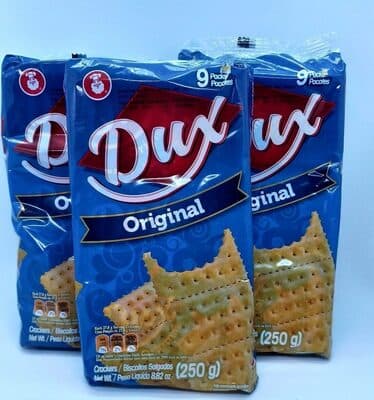
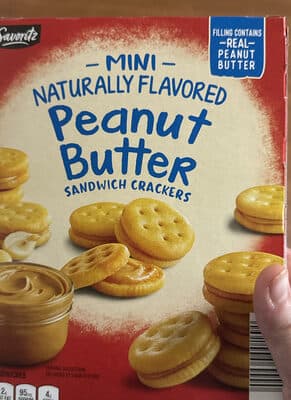
Ammonium bicarbonate is primarily used in the baking industry as a leavening agent for cookies, crackers, pastries, and other dry baked goods. It is particularly popular in the production of thin, crispy cookies where a fine crumb structure is desired. The additive is also used as a dough strengthener and texturizer, improving the mechanical properties of dough and the final texture of baked products.
This leavening agent is commonly used in combination with other leavening agents or acids. It serves a pH control function in some formulations, helping to maintain optimal acidity levels during the baking process. Unlike sodium bicarbonate (baking soda), ammonium bicarbonate does not require an acidic ingredient to function effectively, making it more versatile in certain applications.
Ammonium bicarbonate is approved for use in food products across multiple regulatory jurisdictions and remains a preferred choice in industrial baking due to its effectiveness and cost-efficiency.
Safety Assessment
Ammonium bicarbonate has been designated as Generally Recognized As Safe (GRAS) by the U.S. Food and Drug Administration (FDA). This classification is based on a long history of safe use in food and extensive safety data. The compound has no reported adverse events in the FDA database and zero associated recalls.
The safety profile is supported by the fact that ammonium bicarbonate decomposes completely during normal baking processes. The ammonia and carbon dioxide produced during heating are released as gases, and water is incorporated into the baked product. Residual ammonia levels in finished baked goods are typically below levels of concern.
Experts consider ammonium bicarbonate safe for consumption at levels used in food manufacturing. Typical exposure levels through food consumption are considered insignificant from a toxicological perspective. The European Food Safety Authority (EFSA) has similarly established acceptable use levels for this additive in various food categories.
Regulatory Status
Ammonium bicarbonate is approved as a food additive in the United States under FDA regulations (21 CFR 184.1141) and is listed as GRAS. It is also approved in the European Union (E503) as a raising agent for use in various food categories with specified conditions. The additive is permitted in many other countries and is widely used in international food production.
Regulatory agencies maintain that ammonium bicarbonate meets safety criteria for use in baked goods and related food products. Usage levels are established based on technological necessity and optimal baking function.
Key Studies
Ammonium bicarbonate's safety and functionality have been the subject of numerous food science studies examining its leavening efficacy, thermal decomposition patterns, and residual levels in baked products. Research demonstrates complete volatilization of ammonia during standard baking procedures, confirming the safety of finished products.
Food chemistry literature documents the mechanism of action and comparative efficacy of ammonium bicarbonate versus other leavening agents in various baking applications. Studies consistently support the GRAS determination and confirm the compound's long history of safe use.