What is Acacia Gum?
Acacia gum, scientifically known as acacia senegal (L.) Willd., is a natural gum derived from the hardened sap of acacia trees native to Africa and the Middle East. It is composed primarily of polysaccharides and glycoproteins, which give it unique functional properties in food applications. The gum has been used for centuries in traditional food preparation and is now widely utilized in modern food manufacturing. It appears as a white to cream-colored powder and is soluble in water, forming a viscous solution.
Common Uses
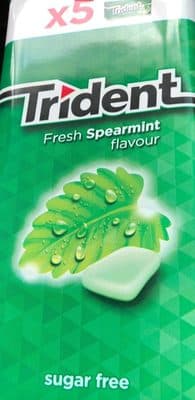
Acacia gum serves multiple functions in the food industry due to its versatile properties. As an emulsifier, it helps blend water and oil-based ingredients that would normally separate. It is commonly found in beverages including soft drinks, flavored waters, and coffee products, where it stabilizes flavor oils and prevents separation. In confectionery, acacia gum acts as a binder and texture modifier in gums, hard candies, and chocolate coatings. It is also used as a thickening agent in sauces, dressings, and dairy products, and functions as a processing aid in various applications. The additive is frequently used in spray-dried flavoring formulations, where it helps encapsulate flavor compounds and improve their stability during storage.
Safety Assessment
Acacia gum has a long history of safe use in foods and is recognized as generally recognized as safe (GRAS) by the U.S. Food and Drug Administration. This designation is based on extensive safety data and decades of food industry experience. The FDA has recorded zero adverse events associated with acacia gum consumption and no product recalls linked to this ingredient.
Toxicological studies have consistently demonstrated the safety of acacia gum at typical food use levels. As a dietary fiber, the gum is largely non-digestible and passes through the gastrointestinal tract relatively intact. Some individuals consuming very large quantities may experience mild digestive effects such as bloating or gas, as with other dietary fibers, but these are not classified as adverse reactions to the additive itself.
The European Food Safety Authority (EFSA) has similarly approved acacia gum for use in foods, listing it under E414 in the EU additive classification system. International regulatory bodies, including those in Canada, Australia, and Japan, have all approved this ingredient for food use.
Regulatory Status
Acacia gum is approved for use in food in most major regulatory jurisdictions worldwide. In the United States, it is listed as GRAS for use as a direct food ingredient under 21 CFR 184.1097. No specific quantity limitations have been imposed, as the ingredient is generally used at minimal levels to achieve functional effects. The FDA permits its use in multiple food categories including beverages, confections, dairy products, and condiments.
In the European Union, acacia gum is listed as E414 and is authorized as a food additive with no specified maximum level in most food categories. Canada's food additive regulations similarly permit acacia gum in a broad range of food applications.
Key Studies
Multiple scientific publications have evaluated the safety and functionality of acacia gum. Research has confirmed its effectiveness as an emulsifier and stabilizer in beverage systems, demonstrating its ability to maintain product homogeneity and prevent ingredient separation during shelf storage. Studies examining its digestive effects in humans have shown it to be well-tolerated at typical consumption levels.
Scientific literature supports acacia gum's GRAS status, with no published studies identifying safety concerns at food-use levels. The ingredient continues to be studied for potential health benefits related to dietary fiber content, though such applications fall outside food additive classification.